











You like our Facebook page and we like yours. You follow us on Twitter and Instagram and we follow you. You subscribe to our You Tube Channel and we subscribe to yours.
You publish the EIE logo and link on your website and we list your business on EIE in the category of your choice.
Grow you Social Media presence and reach our audience! We've got a monthly social media reach of over 4,000,000 who are horse people of all kinds, from business owners to trainers to riders.
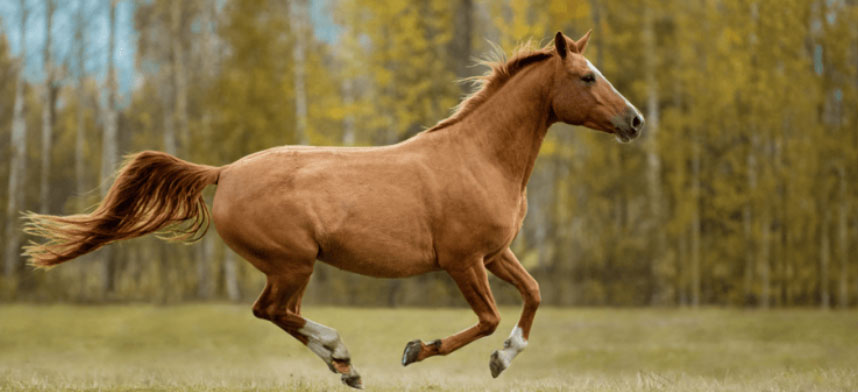
Back pain is a frequent yet often hidden cause of poor performance in athletic horses. To better understand how spinal and muscular discomfort limits competitive ability, veterinarians recently evaluated 75 show jumpers using standard, field-ready diagnostic techniques.*
Horses were first examined at rest, noting conformation idiosyncrasies and muscle atrophy, as well as skin lesions from saddle marks. Responses to digital manipulation along the spine were also recorded. Rectal examinations performed on all horses revealed any abnormalities or pain in the pelvis (e.g., myositis, sacroiliitis, pelvic fracture, spondylosis, other sources of pain). Horses were then evaluated while hand-walking, longeing, and under saddle when ridden and jumping. Stretching exercises were also performed, enticing horses to take part by using treats placed by the horses’ elbows or between the forelimbs.
“At the walk, many horses had restricted hind limb movement and mobility, often raising the head and arching the back,” described Kathleen Crandell, Ph.D., a nutritionist for Kentucky Equine Research.
Further, tail-swishing when transitioning from trot to canter, stiffness, and poor hind limb impulsion were frequently noted. When horses were asked to jump, mistakes and refusals, including sliding stops, were noted.
Lateral radiographs of the thoracic dorsal spinous process and ultrasound examinations of the supraspinous and sacroiliac ligaments were performed. When indicated, mepivacaine blocks were performed in the interspinal space between painful spinous processes or the sacroiliac joint.
In that population of 75 horses, 18 horses were diagnosed with muscular strains, 30 cases of sacroiliac pain, and 16 cases of vertebral lesions such as crowding or spondylosis.
“Sacroiliac desmopathy was highly prevalent among the presented cases while interspinous desmopathy came next,” according to the examining veterinary team.
The team noted that back disorders may be attributable to ill-fitting tack, inadequate training, improper shoeing, and unequal distribution of rider weight.
Specific diagnoses may include lesions of the supraspinous, interspinous, and sacroiliac ligaments; strains of the longissimus muscle; impinging dorsal spinous processes or kissing spines; osteoarthritis; intervertebral disc disease; and vertebral fractures.
“In addition, the veterinarians cited poor management, including inadequate nutrition, as a potential contributing factor for back pain,” added Crandell. “Low-quality feeds and forages may not supply adequate nutrients important for strength and durability of the musculoskeletal system. Making sure your horse has a balanced diet with quality ingredients and proper amounts of vitamins and minerals is key to supporting healthy bone and muscle tissue.”
Supporting optimal joint health can be achieved, at least in part, by supplementing horses with glucosamine, chondroitin sulfate, hyaluronic acid, and MSM found in quality supplements such as KER-Flex.
Horses included in this study were treated conservatively with rest for one to three months based on severity and nonsteroidal anti-inflammatory drugs (oral phenylbutazone or “bute”). In addition, horses that responded to the mepivacaine blocks were subsequently injected with the corticosteroid triamcinolone acetonide.
“Adequate rest and early treatment were prerequisites for recovery,” concluded the veterinarians.
*Shokry, M., L.B. Ali, and M. El-Sharkawy. 2025. Relationship between back pain and poor performance in show jumping athletic horses. Open Veterinary Journal 15(3):1480-1487.
There are many more informative articles you can find in our section for Health & Education.
You know what hasn't changed in two thousand years? The little thrill in your gut right before the gates fly open. People have been backing horses for as long as horses have been fast, and the story of that habit is honestly wilder than most folks expect.
Let's rewind.
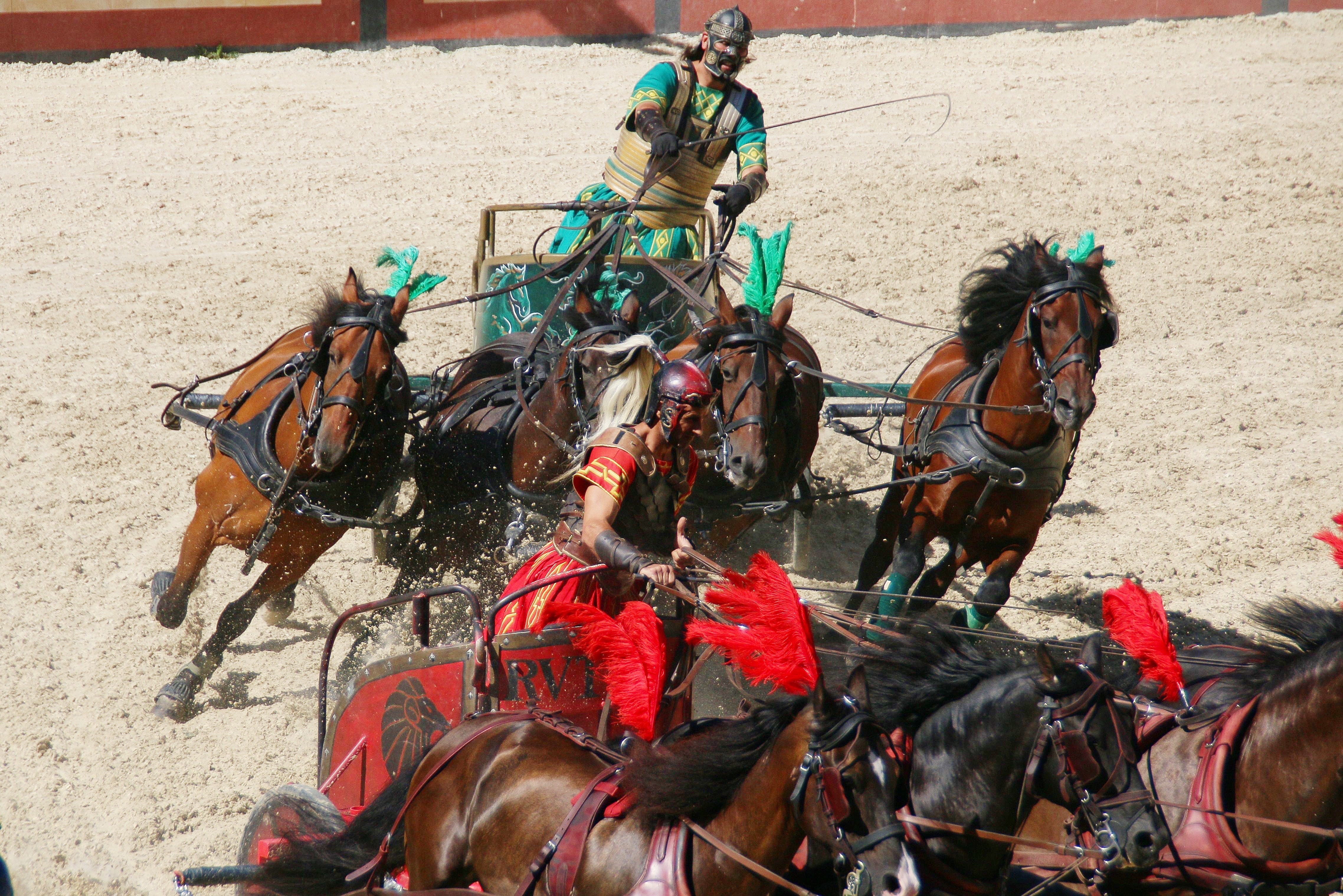
Picture the Circus Maximus. A quarter of a million fans packed shoulder to shoulder, the ground shaking under the chariots. Romans didn't just watch. They picked sides, and they picked hard.
The teams wore colors, the Reds, Whites, Blues, and Greens, and loyalty ran deep. Senators bet. Slaves bet. Everybody argued about it afterward. There were no commissions, no tax collectors, no computers logging every coin. Bets moved on nods and winks, handled by money-men called argentarii. Messy? Sure. But that tribal passion was the engine, and the wagering followed like a shadow.
Here's the funny part. Roman fans didn't need a bet to care. They cared anyway, then bet because they cared. Sound familiar? That's the same loyalty that keeps someone glued to their team through a losing season.
Fast forward past the fall of Rome, and the itch never really went away. It just kept finding new outlets.
Medieval knights raced Arabian horses they'd hauled home from the Crusades, sizing up which mount could carry them fastest into battle. Nobles wagered on the side, naturally. By the 1600s, British royals threw their weight behind the sport, tracks went official, and rules started to matter.
And treasure? People have always run toward it. That hunt for buried fortune is the exact nerve Big Pirate Sweeps Casino pokes at, a free-to-play social platform where you raid rivals and spin for Diamonds you can redeem for real prizes. It bites because the payoff feels within arm's reach, the same reason a Roman leaned forward when his chariot rounded the final turn. Chase the loot, feel alive. Nothing new under the sun there.
Funny how the wrapping changes but the feeling stays put.
So how'd we get from shouting matches at the racecourse to the tidy race card in your hand today?
The 19th century did the heavy lifting. Betting had become chaos, with private bookmakers taking cash trackside and plenty of them running crooked. Britain's Jockey Club stepped in, licensed bookies, and wrote the rulebook. Order, finally.
Then came the real game-changer: parimutuel betting. Instead of arguing over odds one-on-one, bettors pooled their money and split the winnings. Suddenly the whole thing felt fair, and it opened the doors to regular people who'd never dream of striking a private bet. That pool system still runs the Kentucky Derby and the Grand National today.
The modern card, with your win, place, show, exacta, and trifecta options laid out clean, is really just the polished descendant of those rowdy Roman guesses. Same act. Better spreadsheet.
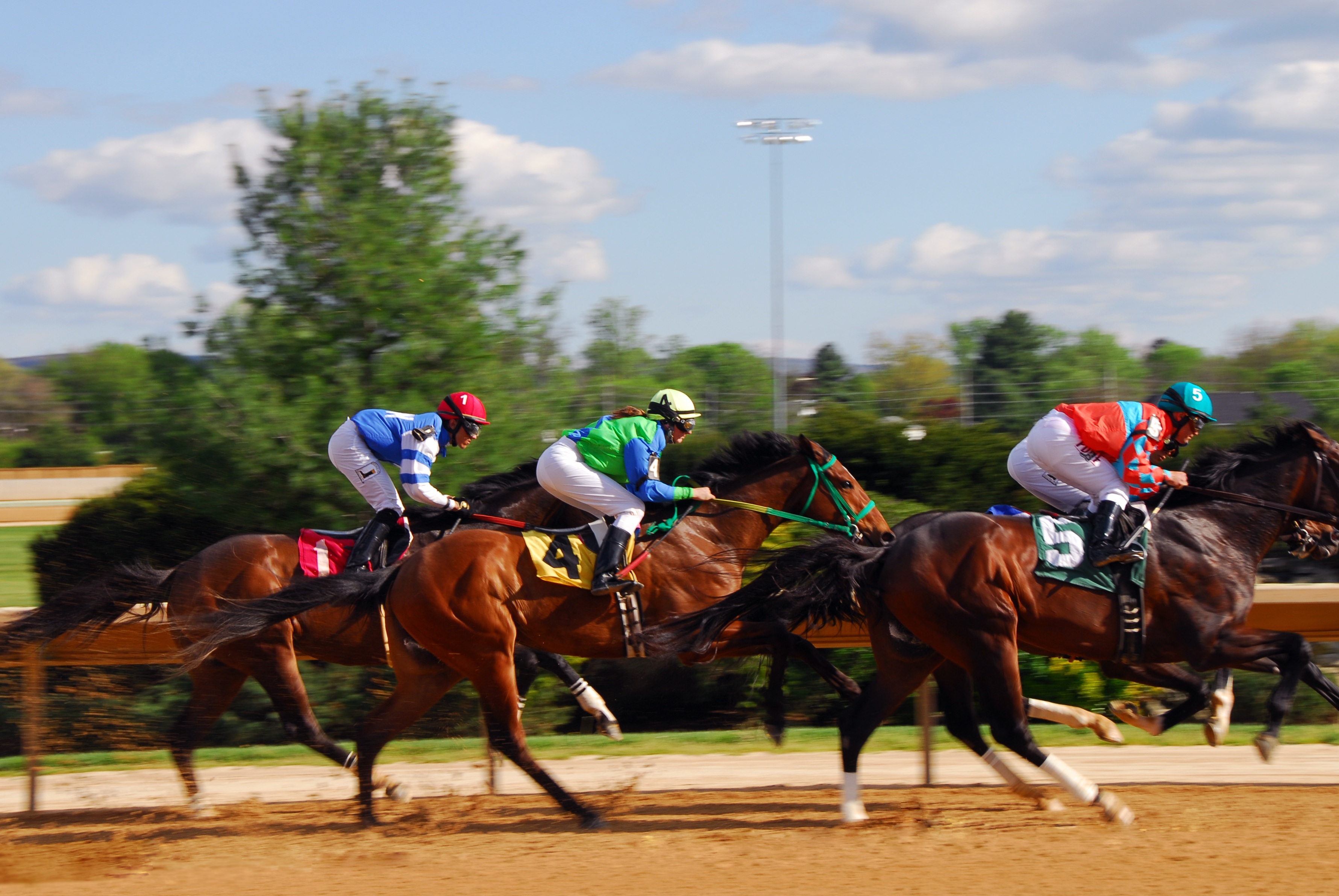
Strip away the centuries and it's the same simple thing, isn't it? A fast animal, a crowd holding its breath, and a small bet that makes you feel like part of the story.
The Romans knew it. The knights knew it. Your local track knows it every race day. We don't wager because we've done the math and cracked the code. We wager because caring feels better with a little skin in the game. Two thousand years, and that hasn't budged one inch.
You can find more informative articles in our section on Racing & Wagering.
In this episode of StallSide Kentucky Derby and Belmont Stakes winning trainer of Golden Tempo, Cherie DeVaux, shares her insights into selecting young horses, developing their potential, and preparing them for success on the racetrack. She also discusses her unwavering commitment to horse welfare, emphasizing thoughtful training, individualized care, and always putting the horse first. Hear how her philosophy of horsemanship shapes every decision, from the barn to the winner's circle.
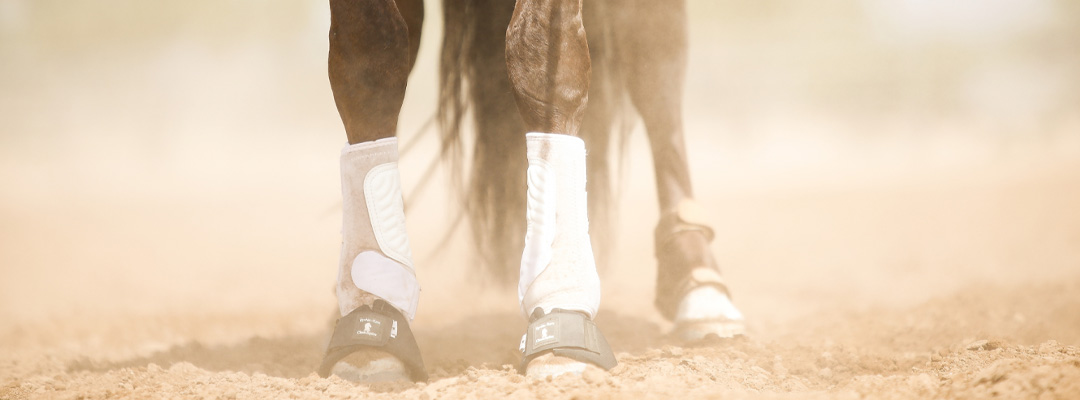
Classic Equine removes the guesswork from leg protection, so you can spend more time riding and enjoying a healthy, happy horse. Provided by Equibrand
Horses are designed to move. That's something all horse owners understand (sometimes a little too well). In the wild, they rely on their legs to make quick, powerful movements to get to safety quickly. When you're riding them, they move similarly, but often we ask them to do those same movements more precisely and intensely (especially when they're training for intense rodeos, races, and shows). The quick turns, sliding stops, and the power needed to move out to a dead run can put a lot of stress on their legs if you're not careful.
That's where leg protection comes in.
Leg protection should be one of the first things you consider before swinging a leg over your equine partner. At Classic Equine, we understand that education is key to ensuring long-term health and success for you and your horse. Here are some ways our extensive line of boots can provide the ultimate protection for your horse.
Horses have two splint bones on each leg, the medial and lateral, to support the cannon bone, stabilize the leg, attach ligaments and tendons, and help absorb impact during movement.
Boots known as ?splint boots? help protect from blows and crossfire injuries under saddle and support soft tissue structures of the lower limbs. Some boots are built primarily for protection, others for support, and some are designed to do both. Regardless of what you're looking for, Classic Equine's got your horse covered.
The only sling-style boot on the market with an outer strike pad for superior protection. Instead of being sewn on the inside of the boot, it is positioned on the outer part of the pad and protects the medical side of the cannon bone. Lightweight and flexible, it allows natural movement while providing support.
Quick and easy to put on, it's got an ergonomic design and bound edges to keep the dirt out.
Known for the original, patented Cradle Fetlock System, the iconic Legacy2 sports medicine boot provides both protection from crossfire injuries and support. It's the only boot on the market with an inner splint pad, with a neoprene ridge designed to fit between the cannon bone and supporting ligaments and soft tissue to help prevent the boot from turning.
The boot mimics the horse's natural anatomy, supporting the suspensory ligaments. This is Classic Equine's best-selling and most trusted product among professionals. With a tough, ballistic material that protects the fetlocks and hook and loops that securely keep everything in place, this boot is ready to be put to work.
An evolution of the innovative Legacy2 boot, now featuring individual abrasive-resistant cells on the cradle that supports the fetlock. These cells allow independent movement and stretching with each stride.
Like the original Legacy2, it incorporates the patented Cradle Fetlock System, offering protection and support. The separate abrasive-resistant cells enhance stretchability, which lets you get a tighter, more secure fit. It supports the fetlock without restricting movement and maintains a snug, clean fit to keep dirt out. This boot is very form-fitting, flexible, and a favorite across all Western disciplines.
This splint boot is specifically designed to keep your horse's legs cool while providing protection. Its perforated foam body draws heat away, and the durable, flexible mesh cover offers extra toughness where needed. Lightweight and simple to put on, it promotes airflow to prevent muscle fatigue from overheating.
The leather splint pad is paired with shock-absorbing nitrate lining for added protection. Ideal for young horses, beginners, or for light exercise.
ProTech Splint and Hind
Available in both front and hind versions, this hard-shell protective splint boot was the first on the market in 2006. The front pair features a hard-shell splint pad and tendon guards that are strategically positioned to protect the inner splint bone, fetlock, and surrounding soft tissues, while still allowing airflow through the soft jersey lining. The hind boots were designed as skid boots, with a hard-shell cup protecting the fetlock and extended protection up the leg.
When your horse gets to going fast or is still figuring out where his feet are, he risks his hind foot sticking the back of the front foot, called "overreach." Aside from the annoyance of pulling a shoe, this can cause serious injury to sensitive areas of his heel and pastern.
This is where bell boots come into play.
Classic Equine's #1 selling bell boot. If you've ever put a pair of these on, you know there is a small wedge inside the back of the boot. It's designed to fit into the natural indentation of the horse's pastern. This contoured shape keeps the boot in a place to protect the hoof, heels, coronet band, and surrounding structures through strenuous maneuvers.
Made from 2520 denier DynoHyde material, these boots are tough. The reinforced double hook-and-loop strap closures secure the boot in place for consistent protection. Also available with fleece lining for horses that need added protection from deep sand or have longer pasterns.
An evolution of the original DyNo Turn, this bell boot features added flexion material on the back, resulting in the most technologically advanced bell boot on the market. This added honeycomb protection provides impressive strike concussion protection. It still features the same dense, shock-absorbing center and a soft jersey lining as the original.
Healthy Legs=Happy Horse
Muscle fatigue often leads to injury, and excessive heat can quickly cause fatigue. Therefore, it's crucial to be aware of how long your horse's boots stay on, as they should only be used when necessary, not for the entire day.
After your ride, be sure to rinse your boots to wash away sweat, dirt, and grime. This simple step helps prolong their life and keeps them ready for your next ride. Once they are all dry, keep them organized in a Boot Accessory Tote.
Clean boots mean happier, healthier horses!
Whether for horse, livestock or pet, Valley Vet Supply is your one-stop shop for trusted care. Explore more of our Classic Equine products at ValleyVet.com.
All photos courtesy of Valley Vet.
There are more informative articles in our section on Tack & Farm. While you're here, take a look at our Curated Amazon Store.
Are you interested in promoting your business or sharing content on EIE? Contact us at info@equineinfoexchange.com


Our Mission — Serving the professional horse person, amateur owners, occasional enthusiasts and sporting interests alike, the goal is to serve all disciplines – which often act independently yet have common needs and values.
Equine Info Exchange is totally comprehensive, supplying visitors with a world wide view and repository of information for every aspect related to horses. EIE provides the ability to search breeds, riding disciplines, horse sports, health, vacations, art, lifestyles…and so much more.
EIE strives to achieve as a source for content and education, as well as a transparent venue to share thoughts, ideas, and solutions. This responsibility also includes horse welfare, rescue and retirement, addressing the needs and concerns of all horse lovers around the world. We are proud to be a woman-owned business.