




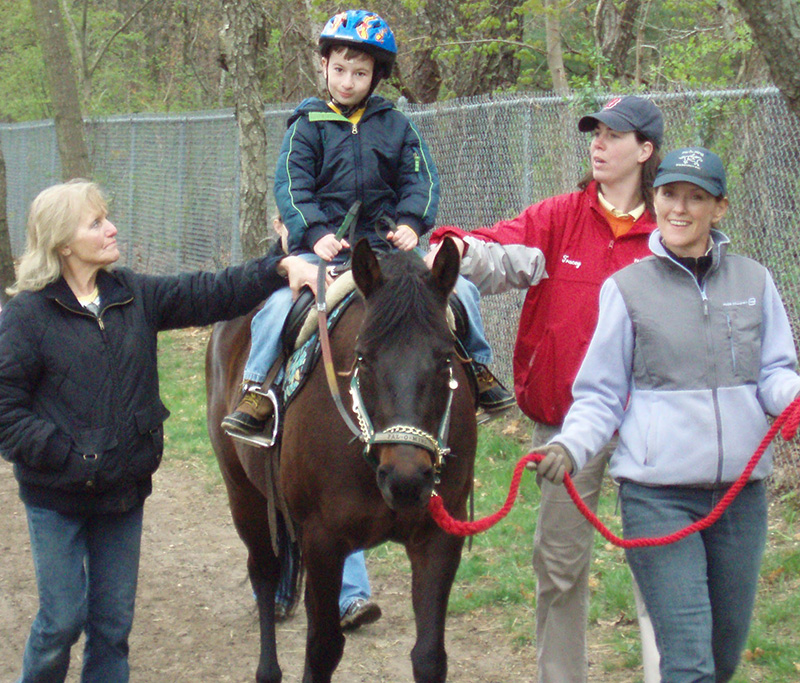
Therapeutic horseback riding (THR) is a type of therapy that uses horses to help people with disabilities improve their physical, cognitive, emotional, and social skills. It is a form of equine therapy, which is the use of horses to promote healing and well-being.
The benefits of THR are numerous and can vary depending on the individual's needs. Some of the most common benefits include:
- Physical benefits: THR can help improve balance, coordination, muscle strength, flexibility, and range of motion. It can also help reduce pain and improve posture.
- Cognitive benefits: THR can help improve attention, concentration, memory, problem-solving skills, and decision-making skills. It can also help reduce anxiety and stress.
- Emotional benefits: THR can help improve self-esteem, confidence, and self-awareness. It can also help reduce depression and teach coping skills.
- Social benefits: THR can help improve social skills, such as communication, teamwork, and empathy. It can also help build relationships and create a sense of community.
THR is a safe and effective therapy for people of all ages with a variety of disabilities. It is a fun and rewarding activity that can help people improve their quality of life.
Here are some additional benefits of therapeutic horseback riding:
- Improved communication skills: The act of communicating with a horse requires clear and concise language. This can help people with communication disorders improve their ability to express themselves.
- Increased self-esteem: Riding a horse can be a challenging but rewarding experience. This can help people with low self-esteem feel a sense of accomplishment and pride.
- Reduced stress: The gentle movement of the horse can be very calming and relaxing. This can help people with anxiety or stress find relief.
- Improved overall well-being: Therapeutic horseback riding can have a positive impact on people's overall physical, mental, and emotional health.
If you are interested in learning more about therapeutic horseback riding, there are many resources available on this page. You can also contact a local therapeutic riding center to learn more about their programs and services.
FEATURED LISTINGS
 42900 Curley Lane, Point Arena, CA 95468
ph: (707) 882-1885
Email: SkyHorseStaff@gmail.com
Ariana Strozzi, pioneer SkyHorse EGE™ offers training and certification programs in the horse as healer/teacher and equine guided coaching professions.


Katie Navarra Bradley is an award winning journalist, author and professional coach. She brings together business owners and leaders to amplify their individual and collective growth through life-changing experiences.
 Calgary, Alberta, Canada
ph: 403-560-1153
Contract: Carolyn Charles, Master Equine Assisted Learning Instructor
Email: carolyn@equineconnection.ca

International Horse Certification Course With One-of-a-Kind Business Training. Working with horses in a completely different way to help people change their lives and move forward! Educational and experiential skills programs that focus on ground activities rather than horseback riding.
Equine Assisted Learning
Equine Therapy for Mental Health
Therapeutic Riding - United States | International
Therapeutic Riding - International
Introducing the Magic of Boo
"Morgan fell in love with Scooby the pony. Morgan slurs because of the meds but somehow Desiree understood her. Morgan saw wild turkeys on her farm and asked questions about them. She helped brush Scooby; she helped take the tack on and off. She interacted with someone. She was here in reality. And I couldn't believe it. " - Danielle Frank
Here is our story. . . .
We have a very special little girl. In fact we have two wonderful daughters. Our Maddy is about to turn 12 years old. And she is vibrant; beautiful; patient; wonderful; and a great student. Our Morgan is way different than our healthy Maddy. Morgan is beautiful; shy; and wonderful however she has been diagnosed with Paranoid Schizophrenia.
With that diagnosis she also has Attention Deficit Disorder; Anxiety; Night Terrors; Enuresis; Depression; Chronic Constipation; Medication induced Obesity; and Medication induced elevated cholesterol. She also exhibits signs of bipolar disorder. Quite the mouthful for a 10 year old little girl.
Our household is very different than most. We have been dealing with Morgan having a mental illness since she was 5 years old. However; we almost lost her beginning in August of 2013. I fell down our basement steps and shattered my ankle. Unfortunately; Morgan witnessed this accident.
It was completely my own stupidity that it happened. I am blind as a bat without my glasses and I attempted to run down the steps to the laundry room without them on. Morgan somehow blamed herself for this accident; her psychiatrist explained it to us that she literally mentally broke inside.
After I got home from the hospital we could see Morgan really was going down hill fast; her illnesses were taking over and she was disappearing in front of us. We were in the hospital several times; and on the phone with her specialists more times than any of us can count.
Morgan would scream bloody murder and we couldn't figure out what was going on. She was angry; irrational; saying things like "we hated her"; "go away I can't hurt my mommy"; "stop touching me"; "No I won't do it." She would become fearful of our dogs. And she was getting violent towards us and her sister.