



Retire & Rehome
Whichever way we ride or however we are associated with horses, we can all agree that horse welfare and rescue is extremely important. Learn about these caring places in our Rehome section, where money and time can be donated to help horses find, or remain, in their forever home.
Many charity events help fund the good work of equine rescue organizations. Parties and auctions to benefit rescue are included in the Calendar of Events for Retire & Rehome.
Have an old friend to retire? Find a place where your horse can live the life of leisure in our Retirement section.
Do we need to add an event or rescue? Please use the useful feedback link and let us know!
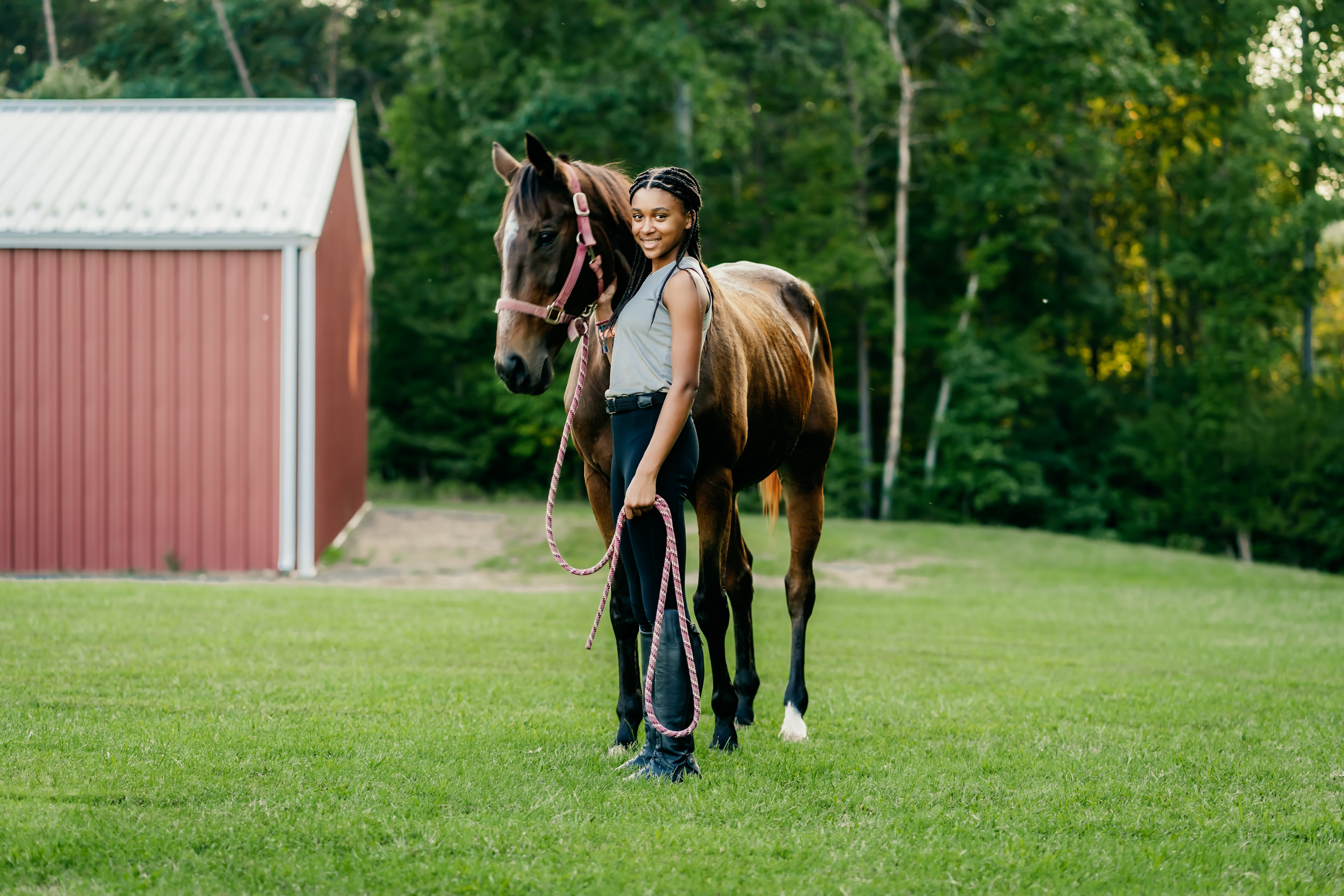
A conscientious person considering adopting a horse may be contemplating their own qualifications prior to making this important, and often life changing decision. You are likely qualified if you can provide adequate shelter, land (turnout space), routine care (veterinarian and farrier), and the financial resources to maintain a horse. Because adoption organizations carefully match horses to adopters, your specific experience level will determine the exact horse that best fits your lifestyle.
Most equine rescues and adoption programs share these standard qualification requirements:
- Property & Space: You must have a safe living space for the horse such as a pasture, ample pasture, clean stalls, and well maintained fencing. Rescues may have specific minimum acreage requirements (for example, at least a half an acre per horse).
- Daily Turnout: The horse must have access to daily turnout and a minimum of 6 to 8 hours of free movement in a safe paddock or pasture.
- Routine Healthcare: You must have established relationships with a licensed veterinarian and a farrier. Horses require regular hoof maintenance every 6 to 8 weeks, plus annual dental exams and vaccinations.
- Financial Resources: You need the budget to cover basic expenses like high-quality hay, grain, routine medical care, and potential emergency vet bills.
- Experience Level: Whether you are an experienced equestrian or a first-time beginner, most adoption groups specialize in finding a horse that matches your skill level. Be honest with your abilities to better ensure the perfect fit for both you and your new horse.
If you are just getting started on your equine journey, it is incredibly helpful to first consult the ASPCA Guide for Adopting. For examples of questions asked to adopt a horse, ReRun has a very comprehensive application. It’s also a great place to adopt an Off the Track Thoroughbred (OTTB).
Are you ready for this next step? Wishing you the best through this exciting process!
Check out many more great organizations in our section for Retire & Rehome.
Are you interested in promoting your business or sharing content on EIE? Contact us at info@equineinfoexchange.com
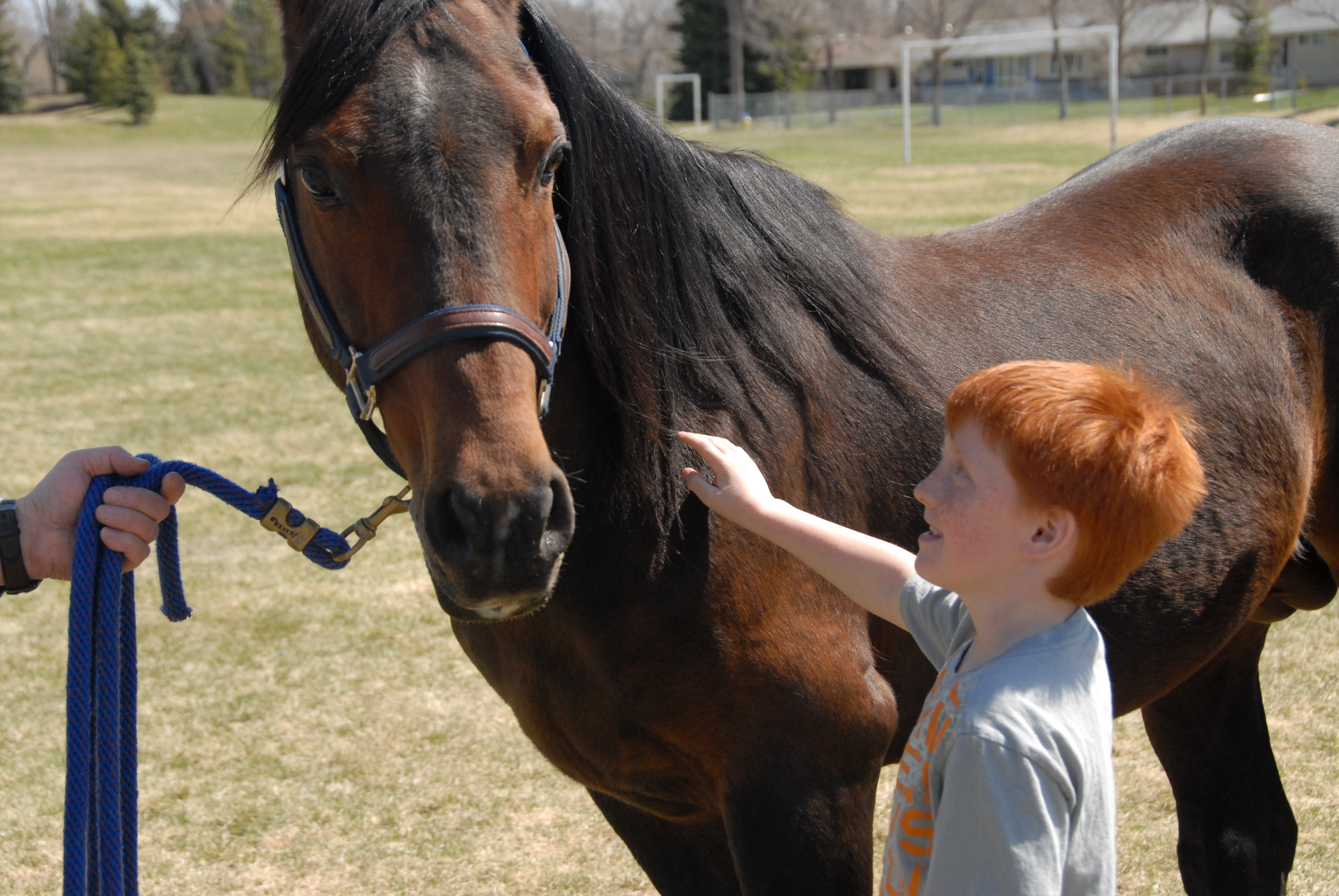
Congratulations! You are considering adopting a horse! Adopting a horse is a sustainable, life-saving choice that opens up a fulfilling new chapter in your equestrian journey. Whether you are looking for a riding partner or a pasture companion, rescue organizations help match you with the perfect horse while freeing up space for another animal in need. Also, adopting a horse is usually less cost prohibitive than purchasing one.
Here are the top five reasons to adopt your next horse:
- Perfect Matches: Reputable rescues are experts at evaluating their horses' personalities, medical histories, and training levels. They want a successful, lifelong placement, which ensures you are matched with a horse that perfectly fits your experience and goals.
- Complete Transparency: Unlike some private sales, rescue organizations are honest about any quirks, training gaps, or health needs. Because they provide up-to-date health and farrier evaluations, you will know exactly what you are getting before you bring your new friend home.
- Lifesaving Impact: Adopting a horse directly supports the rescue's mission and creates a lifesaving cycle. By taking one horse in, you free up a stall or foster spot, allowing the organization to rescue another equine that desperately needs help.
- Built-in Community & Support: When you adopt, you join a passionate community of like-minded horse lovers. Accredited organizations offer ongoing resources, educational tips, and a network of barn buddies to support you throughout your horse-ownership journey.
- Guaranteed Safety Net: Many well-managed rescues offer a safety net by guaranteeing they will take the horse back if your life or financial circumstances ever unexpectedly change. This gives you the peace of mind that your horse will always be protected.
Giving a horse an opportunity to learn a new job or a second career, like an Off the Track Thoroughbred (OTTB) at places like ReRun Thoroughbred Adoption will offer an owner a well cared for horse which can be retrained for a variety of disciplines like trail riding, dressage, polo, hunter jumper, eventing, barrel racing…and more! Adopting an OTTB also gives owners a chance to participate in the Retired Racehorse Project which exists to facilitate placement of Thoroughbred ex-racehorses in second careers by increasing demand for them in equestrian sports.
Interested in adopting a Mustang? If you are considering a wild horse, you can also explore requirements and available animals through the Bureau of Land Management and learn more about the Wild Free-Roaming Horses and Burros Act of 1971 and the BLM’s role to responsibly manage and protect wild horses.
There are many more great organizations in our section for Retire & Rehome. Feel free to check them out and thanks for helping to save a life!
Are you interested in promoting your business or sharing content on EIE? Contact us at info@equineinfoexchange.com
Losing a horse is incredibly painful, often compared to losing a family member. The bond with a horse is unique and deep, and grieving is a natural and necessary process. There's no "right" way or timeline for grief, but here are some steps and strategies to help you move forward.
Allow Yourself to Grieve
- Acknowledge the pain: Don't try to suppress your emotions. It's normal to feel a wide range of emotions including sadness, anger, guilt, denial, and even relief if your horse was suffering. Give yourself permission to feel all of it.
- Cry: Crying is a natural and healthy release. Don't feel you need to be strong for others.
- Understand that grief is individual: Everyone grieves differently. Don't compare your process to anyone else's.
- It's a whole-body experience: Grief can manifest physically (tiredness, body aches), emotionally (heartache), cognitively (confusion, "what-ifs"), and spiritually. Be gentle with yourself.
Seek Support
- Talk to others who understand: Connect with fellow equestrians, barn friends, or family members who appreciate the bond you had with your horse. They can offer empathy and shared understanding.
- Pet loss support groups/hotlines: Many organizations offer dedicated support for pet loss. These can be incredibly helpful for connecting with others who are going through similar experiences. The Blue Cross Pet Loss Support Service offers a helpline. The Association for Pet Loss and Bereavement (APLB) has online support groups. The Pet Compassion Careline provides 24/7 grief support.
- Professional counseling: If your grief feels overwhelming, prolonged, or is significantly impacting your daily life, consider reaching out to a therapist or grief counselor. Some specialize in pet loss.
- Equine-Assisted Grief Sessions: Some organizations offer therapy sessions with horses that can help individuals process grief. Horses are intuitive and non-judgmental, providing a unique space for healing.
Honor Your Horse's Memory
Create a memorial: This can be a very therapeutic way to remember your horse. Ideas include:
- Planting a tree or a special garden.
- Creating a memory box with mementos like their halter, brushes, or a lock of mane/tail hair.
- Making a photo album or scrapbook.
- Commissioning a painting or a memorial stone.
- Writing a letter to your horse or an obituary.
- Spreading their ashes in a meaningful place.
- Share stories and memories: Talking about your horse and the special times you shared can help keep their memory alive and process your feelings.
Adjust to a New Normal
- Routine changes: Be aware that your daily routine may be significantly disrupted. The silence in the barn or the absence of their presence can be piercing. Give yourself time to adjust.
- Self-care: Even when grieving, try to maintain basic self-care:
Eat nourishing food.
Stay hydrated.
Get enough rest.
Engage in gentle exercise, even just a walk.
- Don't rush to "replace" them: The decision to get another horse, if ever, is a very personal one. There's no right timeline. If you consider another horse, make sure it's because you're ready for a new bond, not just to fill a void. Volunteering at an animal shelter can be a good way to be around horses again without the immediate commitment of ownership.
Understand the Euthanasia Process (if applicable)
If your horse was euthanized, it's common to experience guilt, doubt, or second-guessing. Remind yourself that you made the decision out of love and to prevent suffering. Veterinarians can offer support and information about this difficult decision.
Moving forward doesn't mean forgetting your horse. It means learning to live with the love and memories in a new way, allowing their legacy to continue to shape you. Be patient and kind to yourself throughout this journey.
We understand this difficult journey all too well. Grief is the price we pay for love. EIE includes more information regarding options when your horse passes away in our Rainbow Bridge section. We hope this helps.
You can find more informative articles in our section on Retire & Rehome. Be sure to take a look at our Curated Amazon Store
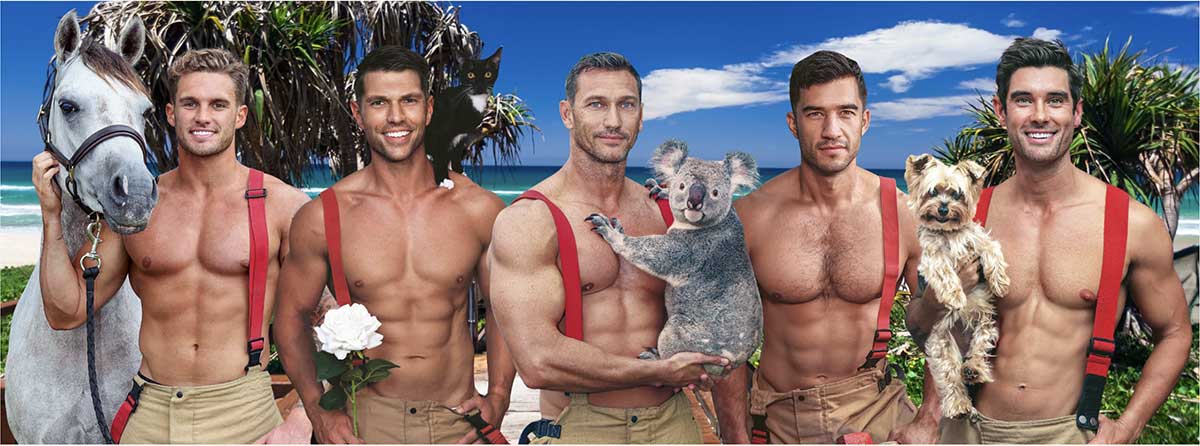
The Australian Firefighters Calendar 2025 is proud to announce a special initiative to support citizens and animals affected by Hurricane Helene and Milton. Through our partnership with Greater Good Charities, we are donating funds to provide immediate relief and aid to impacted communities. This collaboration aims to deliver essential resources, such as food, shelter, and medical assistance, to those in need, helping families rebuild their lives after the devastation of the hurricane. Together, we can make a meaningful difference in the lives of those who have faced such significant challenges.
“The Australian Firefighters Calendar is known for its charitable efforts, often supporting various causes, including those related to disaster relief. While we primarily focus on wildlife and dog and cat refuges in Australia, it's not uncommon for us to expand our support to international relief efforts, such as those following Hurricane Helene in the US.” - David Rogers – Director. Australian Firefighters Calendar
AUSTRALIAN FIREFIGHTERS CALENDAR GREATER GOOD CHARITY US PROJECTS HURRICANE HELENE & MILTON
Greater Good Charities, a global nonprofit headquartered in the U.S. The Greater Good Charities are distributing vital resources to support displaced families, including food, water, hygiene kits, socks, and Good Packs containing essential supplies. The need for donated supplies continues to be immense.
The Greater Good teams are delivering pet food and essential supplies to overwhelmed shelters dealing with power outages and flooding. We have established a pet pharmaceutical donation hub and are identifying veterinary needs in impacted communities in multiple states. Providing wellness care is crucial in the aftermath of a storm when disease spreads more easily from contaminated floodwaters and increased wildlife encounters.
“Greater Good Charities was on the ground before Hurricane Helene hit Florida, ready with supplies to assist impacted communities. In the aftermath, we’ve responded swiftly to the destruction and urgent needs across the Southeast, which are greater than anyone expected. Our corporate partnerships have been crucial in delivering life-saving support to those affected”. - Jennifer Gerdon – Corporate Partnerships. Greater Good Charities.
Behind the scenes videos
BYRON BAY WILDLIFE HOSPITAL
Greater Good Charities is proud to support the Byron Bay Wildlife Hospital, recognizing the vital role it plays in rescuing, rehabilitating, and releasing injured and orphaned wildlife back into native habitat. Through their generous contributions, Greater Good Charities helps ensure that the hospital has the necessary resources to provide expert medical care and a safe haven for native animals in distress. This partnership not only enhances the hospital's ability to care for its patients but also fosters greater awareness about wildlife conservation and the importance of protecting our natural habitats. Together, they are making a meaningful impact on the Australian ecosystem and the lives of countless animals in need.
“Greater Good Charities delivers crucial funding to provide life-saving medical care to wildlife in desperate need. These grants directly address critical situations, ensuring that injured or sick animals receive the care they need to survive and thrive”. - Bryna Donnelly – Executive Vice President Programs. Greater Good Charities
“This year will be the 5-year anniversary of the devastating Black Summer Bushfires that devastated Australia. It is reported
that 3 billion native animals perished.
This event shocked people around the world, and it was the catalyst to our campaign to build Australia’s only mobile wildlife hospital (Matilda). The support we received from around the globe has literally provided us the vehicle to be able to save wildlife where the supported is needed.
The story of the Byron Bay Wildlife Hospital has reached a global audience. This has been achieved through a TV series showcasing the work of our incredible veterinary team. The Series “Wildlife Rescue Australia” has aired in Australia, Japan, Canada and now on National Geographic Wild in the US. " - Dr Stephen Mills – Founder and CEO, Byron Bay Wildlife Hospital.
“I am truly grateful for the support of The Australian Firefighters Calendar and the Greater Good Charities. At Byron Bay Wildlife Hospital, our mission is to treat sick, injured, and orphaned wildlife, with the goal of returning them to their natural habitats. This generous support allows us to continue saving Australian wildlife and making a lasting difference - Dr Bree Talbot – Head Wildlife Veterinary Surgeon, Byron Bay Wildlife Hospital
US Firefighters join the photoshoot
Due to the popularity of the calendar in the US, the calendar flew 2 US firefighters to take part in the photoshoot. Firefighters Alijah Johnson and Jacob Hacker joined the Aussie Firefighters to produce this year’s calendars.
ALIJAH JOHNSON: (27 years old) Firefighter and paramedic from Chesapeake, Virginia
“It’s been a dream of mine to be in a firefighter calendar, it first started when many people would ask is if I was one of the firefighters from the calendars after I told them I was a firefighter. I would usually respond by laughing it off and say no, but now I am truly grateful and blessed to be in the world’s biggest calendar. This opportunity has been the proudest moment of my career. Being the first Black firefighter featured in this iconic calendar is more than just a personal achievement for me, but it’s a chance to show others you can break barriers, represent your community and be a part of a good cause on a global scale."
Features in the Hero and mixed animal calendars.
JACOB HACKER: (30 years old) – Firefighter and paramedic from Willard Fire and Rescue, Ohio.
“I was raised and still live in rural Ohio. One of my goals was before the age of 30 I wanted to be in the Australian Firefighters Calendar. When I was younger in my fire and medic career it began as a joke because I felt like I could never be physically capable or fit enough to be one of those men you see in the calendar. After 10 years of hard work and dedication I reached out to the Australian Firefighters Calendar, to my surprise they were impressed by my journey and wanted me to partake in their calendar. This was a dream come true and one of the greatest honours of my life to be an American featured into an Australian Firefighters calendar for a good cause”.
Features in the Hero and cat calendars Calendar Editions
Over 30 Australian firefighters have come together for the month-long photoshoot to make this years 5 editions. Firefighters from aviation, military and urban fire services have once again produced the most talked about calendar photos for the 2025 editions of the Australian Firefighter Calendar.
Each month of the 5 different calendar editions reveals a different firefighter and their heart-warming bond with some of Australia's most adorable animals. From cuddly koalas to playful kittens, these visuals capture the compassion that these firefighters stand for both in and out of uniform.
Due to the popular demand of the past editions, the Dog, Cat, Horse, Mixed Animal and Hero Calendars will be back.
Byron Bay Wildlife Hospital Video
How to purchase a calendar in the US
We now ship the 2024 Australian Firefighters Calendar from Dallas, Texas for our online US fans www.australianfirefighterscalendar.com.
The calendars are also available on Amazon.
Read more: Australian Firefighters Calendar supports Hurricane Helene survivors
From Maryland Therapeutic Riding. We're proud to highlight our core value: SERVICE. 🌿 It's not just about what we do; it's about the heart and soul we pour into every moment. Service is our dedicated staff masterfully navigating many roles, seamlessly weaving together expertise and passion to uplift our mission. Service is our compassionate volunteers braving the elements for our herd and participants. Service permeates every corner of MTR, but perhaps the true embodiment of service lies in our horses. 🌟 Their empathy, intelligence, and unique abilities make them incredible. They're more than horses; they're partners in our mission, each with an innate ability to connect and empower. 🐴💕 No matter horse, goat, cat, or human, you are the heartbeat of MTR, reminding us that service isn't just a duty—it's love. 🌿 #HorsesthatHeal
by Marcella Peyre-Ferry
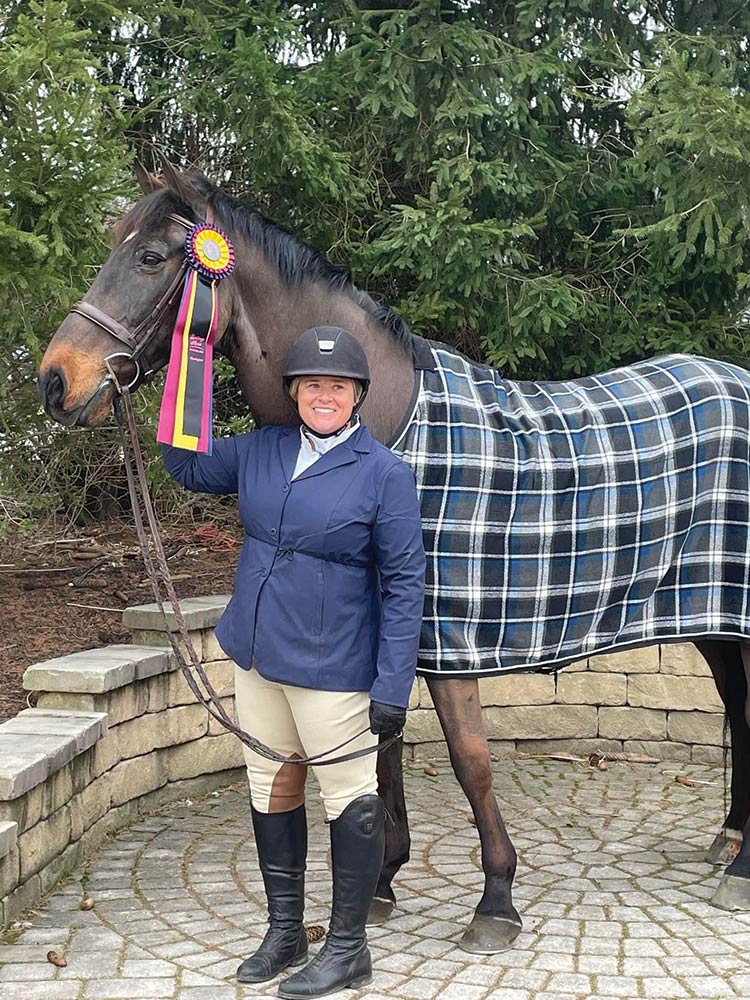
You never know where you will find the horse that is perfect for you. For Janine Guido, the horse that fills all her needs came out of a kill pen in Alabama.Janine has been riding since she was five years old, but injuries kept her out of the saddle for more than a decade. She remained vitally entwined with animals, running Speranza Animal Rescue at her family’s 17-acre farm near Mechanicsburg, PA. The rescue focuses primarily on bully breed dogs, but also includes a wide range of farm animals plus two zebras and a camel.
As far as horses go, Speranza was focused on a few older, neglected or unrideable animals that needed a healthy retirement home. Known for her willingness to take in the worst cases, Janine didn’t have a horse she could ride.
In 2021, a year after recovering from knee surgery, Janine let her friends know she was interested in returning to riding. Soon she got a call from one who had spotted a horse in an Alabama kill pen. What made this horse stand out was that he was a branded warmblood.
“I had gone through so many bad injuries and knee surgeries. I wanted to get back into riding but I needed something that wasn’t going to kill me,” Janine said.
The 16.2 hand, bay Holsteiner gelding that would become known as Murphy was in poor condition weight-wise, missing several front teeth from periodontal disease and had a healed bowed tendon with no apparent lameness.
“He looked broken. His eyes had no hope,” Janine said. “Little did I know he would turn out to be the perfect mister unicorn ever. I cannot say enough good things about this horse.”
All Janine had to go by was a photograph, but she was willing to take a chance. “I thought, ‘if I can ride him great, if I can’t, I can’t-- that’s OK,’ There was just something special about him,” she said.
It took time to get Murphy back into shape. As he gained weight and condition it became apparent that this was a horse with a history.
When it came time to get on his back, Janine was hesitant at first, but Murphy exceeded all expectations. The first ride was a five-minute walk - a small step to build confidence. The next included trot work and Janine began to see a hint of how well Murphey had been trained.
“He does incredible lead changes, he jumps anything - you just point him at it. He’s got the best brain. I can’t say enough good things about him,” Janine said. “He’s a once in a lifetime horse and I got him from a kill pen.”
In addition to being a willing jumper, it is possible he was trained for eventing at one time. “It’s apparent he has had dressage training,” Janine said.
Although he is believed to be in his mid-twenties, Murphey is still fit and ready to show. Janine has taken him to nearby shows under his new show name “Simple Man” In February 2023 they won all three of their over fences classes at Heritage Acres Winter IV and placed fourth in the flat class to earn the Baby Green Hunter Championship.
For the coming spring Janine hopes to try the beginning jumper divisions.
After finding Murphy, Janine’s eyes have been opened to other possibilities. She recently purchased a young thoroughbred mare at auction whose only problem was an abscess in her sinus cavity. She hopes this horse may take over for Murphy when it is time for him to retire.
In Murphy’s success story there are poignant moments. “What’s sad for me was when he first came here he knew how to beg for treats. That broke my heart. At one time this horse was so spoiled, he was treated well and loved and yet he turned into what we found him as,” Janine said. “Growing up in the hunter - jumper world my trainers have always been good with keeping in touch with the horses that were sold, This just opens your eyes. People are not aware.”
Finding a good riding horse in the ranks of the rescue is not common but it does happen. Speranza currently has a few that are being rehabilitated before being adopted out.
“It boggles my mind how well trained some of these horses are that people have just given up on. It’s just crazy,” Janine said. “I never thought you’d be able to find something that made and that high level that was going to ship to slaughter.”
Janine encourages people to be open to buying horses that are in challenging situations and to be careful when they sell an older horse. “I would just encourage people, whenever you sell your old or retired horse, keep tabs on it,” she said. “If you’re looking for a lesson horse, don’t be afraid to look in kill pens, some nice horses just need some meat on them.”
This article originally appeared on East Coast Equestrian and is published here with permission.
You can find more interesting articles in our section on Retire & Rehome.
by Retired Racehorse Project
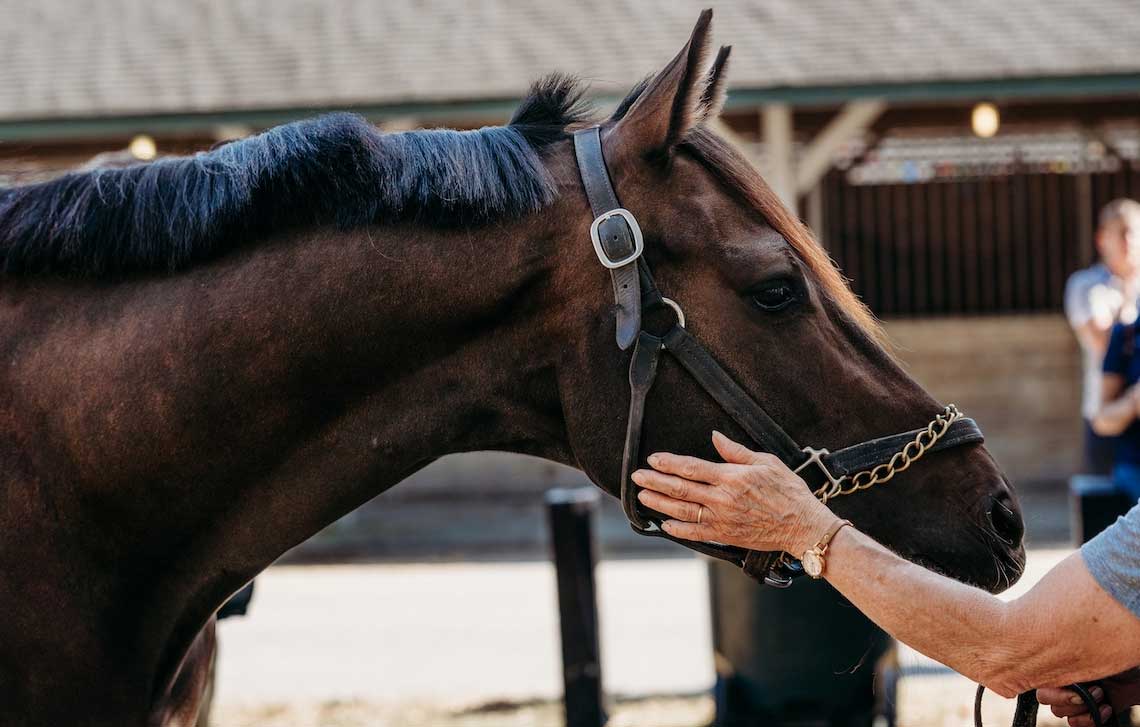
You’re proudly showing off your new off-track prospect to your barn bestie as he’s settling into his new stall at home. “Where did you rescue him from?” she asks eagerly.
How you respond to this (common) question depends on several factors involved with your horse purchasing or adoption process, but chances are, your horse was not a true rescue, and incorrectly calling him a rescue belies an entire industry dedicated to breeding, raising and producing him for the racetrack. Let’s examine this issue closer.
Read the full story on the Retired Racehorse Project website.
This excerpt is printed with permission from Retired Racehorse Project.
There's more informative articles in our section on Retire & Rehome.
- Australian Firefighters Calendar 2024 Turns Up the Heat
- Australian Firefighters Calendar 2024 Behind the Scenes (2:57)
- Australian Firefighters Calendar 2024 Turns Up the Heat
- Big Targets For Sizing John In Retirement
- Breaking Boundaries in Equine Fracture Repair with Dr Alan Ruggles (56:44)
- Equitopia Center - 64 Bales of Hay Arrived today (0:37)
- Let's Talk Euthanasia
- An Encounter About Veterinary Involvement In Horse Slaughter (Part 1)
- A Tribute to My Pony, Rocky
- The 30-Year Anniversary of the World's Most Loved Calendar