




While there is no single universally agreed-upon number, experts generally recognize between 300 and 600 distinct horse breeds worldwide. Are you curious how to identify horse breeds? Identifying a horse breed involves analyzing physical characteristics to determine the horse breed name, checking for artificial markings, and verifying official documentation.
Our section on horse breeds lists 84 different horse breeds from Akahl-teke to the Walking Horse with links to their associations for more information.
1. Physical Characteristics (Conformation)
- Body Type: Horses are generally grouped into "hot bloods" (lean and fast like Thoroughbreds), "cold bloods" (large and powerful like Clydesdales), and "warmbloods" (athletic crosses often used for sport).
- Head Shape: Certain breeds have distinct profiles. For example, Arabians are famous for their "dished" (concave) face and large nostrils.
- Size: Height is measured in "hands" (4 inches). Ponies are typically under 14.2 hands, while draft horses can exceed 17 hands.
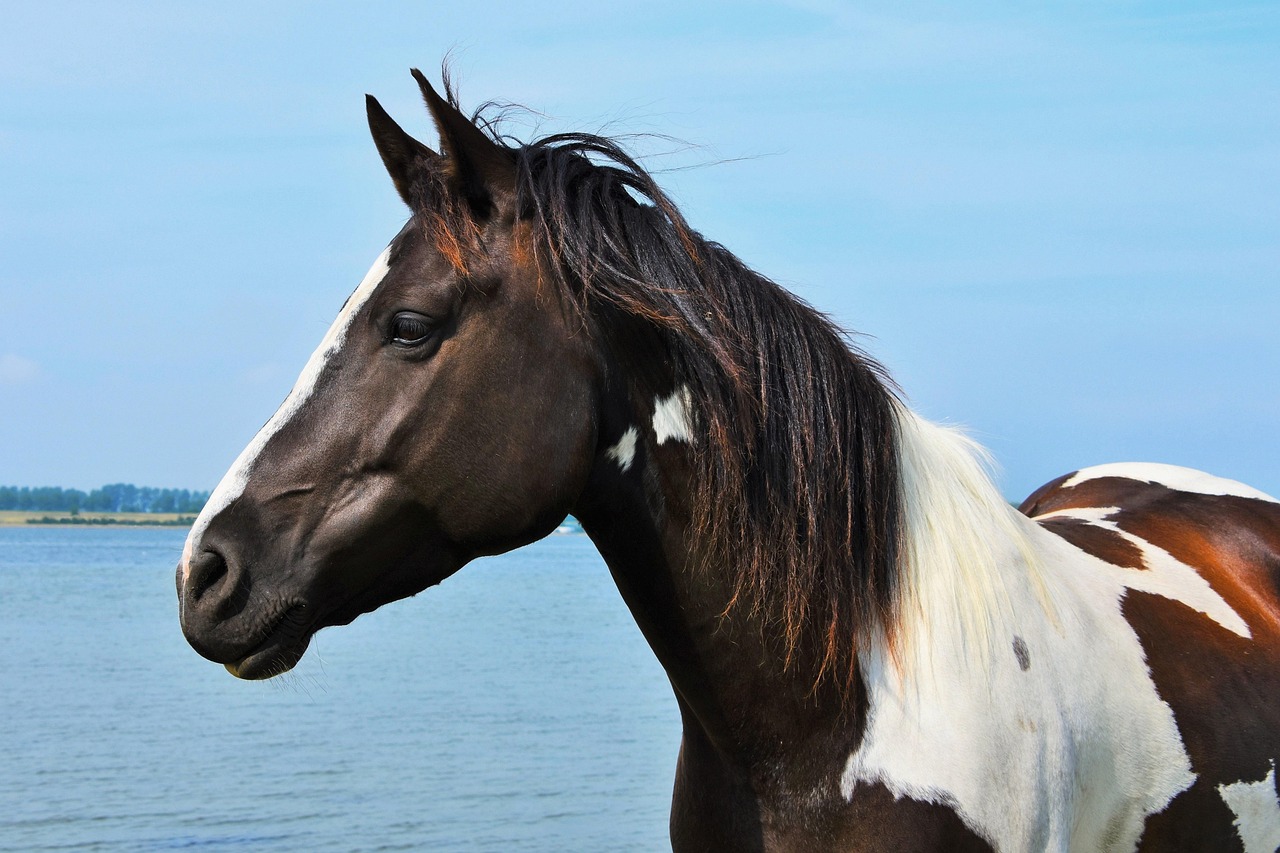
- Color Patterns: Some breeds are defined by their coat. Appaloosas feature leopard-like spots, while American Paint Horses have large patches of white and color.
2. Artificial Markings & Identification
- Brands: Look for symbols on the hip or neck. For instance, the Bureau of Land Management (BLM) uses a specific angle-numeric system on the left side of the neck for wild Mustangs.
- Lip Tattoos: Racing breeds like Thoroughbreds often have a letter and number tattoo on the inside of their upper lip for track identification.
- Microchips: Many modern horses have an RFID chip implanted in the nuchal ligament (upper neck), which can be read with a standard scanner to reveal registry data.
3. Official Records & Technology
- Registration Papers: Official documents from registries like the American Quarter Horse Association (AQHA) or The Jockey Club provide the most reliable pedigree information.
- Mobile Apps: Horse breed identification tests and tools like the Horse Scanner App use AI to analyze photos and suggest potential breed matches.
- DNA Testing: While DNA can confirm a horse's parentage, it is primarily used to verify if a horse matches a previously recorded profile in a registry's database rather than discovering a completely unknown breed from scratch.
To identify all horse breeds, consider these guides on analyzing physical attributes, understanding markings, and verifying official records with breed organizations.
You can find more informative articles in our section on Health & Education. Take a look at our Curated Amazon Store for our selections in a wide variety of categories!
Are you interested in promoting your business or sharing content on EIE? Contact us at info@equineinfoexchange.com