




Health & Education
We all want the best care possible for our horses. The Heath & Education section covers both Learning Institutions, Organizations as well as many sources for equine assistance including Veterinarians and Farriers.
For those who want a to formally study horses, the Education section includes College Riding, Equine Studies, and Veterinary Schools. Learn about the wide variety of horses in the Horse Breeds section. Supplements and Treatments Therapy are also included in the section.
Everyone can learn from Fine Art and there are some specialty Museums that might surprise you.
Horses as a therapy partner enrich the lives of the disabled. These facilities are listed in our Therapeutic Riding section. To help children and young adults build confidence and grow emotionally, please see the resources available on the Youth Outreach page.
Looking for a place to keep your horse? You can find it in the Horse Boarding section. Traveling? Find a Shipping company or Horse Sitting service if your horse is staying home!
Want to stay up to date with the latest training clinics or professional conferences? Take a look at our Calendar of Events for Health & Education for the dates and locations of upcoming events.
Do we need to add more? Please use the useful feedback link and let us know!
by Kentucky Equine Research Staff
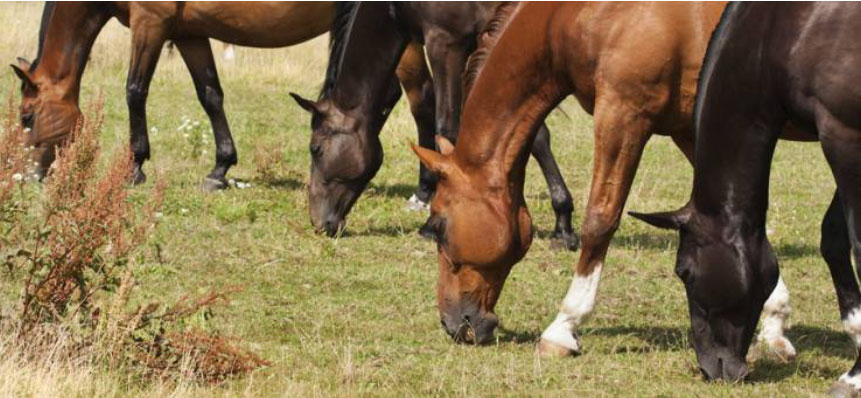
The primary causes of death among horses at a retirement facility include colic, lameness, neurological deficits, and the cumulative effects of old age, according to new research from the Netherlands.
Using records from a private equine retirement center gathered over an eight-year period, researchers aimed to pinpoint the most common causes of death in aged horses and, more specifically, to determine the effects of pituitary pars intermedia dysfunction (PPID) on mortality.*
For this study, any horse 15 years of age or older was considered geriatric.
After an exhaustive review of records, researchers created fourteen categories for the cause of death: colic, lameness excluding laminitis, laminitis, down in the field, neurological deficit, sudden death, acute illness, chronic weight loss, tumor, fracture or trauma, behavior, financial, and old age. A “financial” cause of death indicated euthanasia occurred because of an owner’s inability to pay for care, and “old age” designated a horse with multiple problems that cumulatively decreased welfare and whose life ended by planned euthanasia.
All horses at the facility were overseen by professional horsemen and veterinarians and were provided with routine care. Testing for PPID occurred if there were any clinical indications of the disease (cresty neck, history of laminitis, chronic infections, weight loss).
Of the 194 horses that resided at the facility, 80 geriatric horses died during the eight-year period. Twelve were between the ages of 15 and 19 years old, 25 were between 21 and 25 years old, 32 were between 25 and 30 years old, and 11 were 31 or older. The average age of those horses that died was 26 years old. All were euthanized or died of natural causes.
The most common cause of death among this population of geriatric horses was colic (20% of cases) followed by old age (15%) and lameness that did not involve laminitis (12%). Neurologic problems and an inability to rise after lying down rounded out the top five causes of death.
“For those of us that live and breathe horses, that spend time each day with horses, that study horses, these causes of death come as no surprise,” said Catherine Whitehouse, M.S., a nutritionist with Kentucky Equine Research. “The interesting aspect of this study is that this data was all mined from the records of horses housed at a single facility under similar management conditions. Because of this, there was less variation in care than there would have been if horses had been managed at multiple farms.”
With regard to PPID, of the 194 horses that resided at the facility, 125 (63%) were tested at least once for PPID. During the eight-year-study period, 62 horses of the 125 tested died, and 47 of those 62 (76%) had tested positive for PPID at an average age of 27 years old.
According to the study, horses were maintained on a diet of free-choice haylage with and were offered supplemental feed if necessary. The teeth of all horses were examined regularly and those with missing or problematic teeth were given mashes when necessary. Weight was monitored monthly using scales. “The horses at this facility appeared to be given top-flight care, especially when it came to provision of adequate feed, dental care, and regular deworming, all of which is important when it comes to lifespan,” Whitehouse said. “Old horses sometimes require more management, but the extra investment may pay off in added years at the end of a life.”
Aged horses often benefit from targeted supplementation. High-quality joint supplements can help ease the discomfort associated with the effects of a lifetime of service, and a research-proven hindgut buffer, like EquiShure, can help stabilize the pH of the hindgut so microbes can efficiently ferment forages.
Reprinted courtesy of Kentucky Equine Research. Kentucky Equine Research is an international equine nutrition, research, and consultation company serving horse owners and the feed industry.
Our goals are to advance the industry's knowledge of equine nutrition and exercise physiology, apply that knowledge to produce healthier, more athletic horses, and support the nutritional care of all horses throughout their lives. Learn more at Kentucky Equine Research.
There are more informative articles in our section on Health & Education. While you're here, be sure to visit our Curated Amazon Store.
Are you interested in promoting your business or sharing content on EIE? Contact us at info@equineinfoexchange.com
*Van Proosdij, R., and S. Frietman. 2021. Retrospective analysis of cause-of-death at an equine retirement center in the Netherlands over an eight-year period. Journal of Equine Veterinary Science 110:103824.
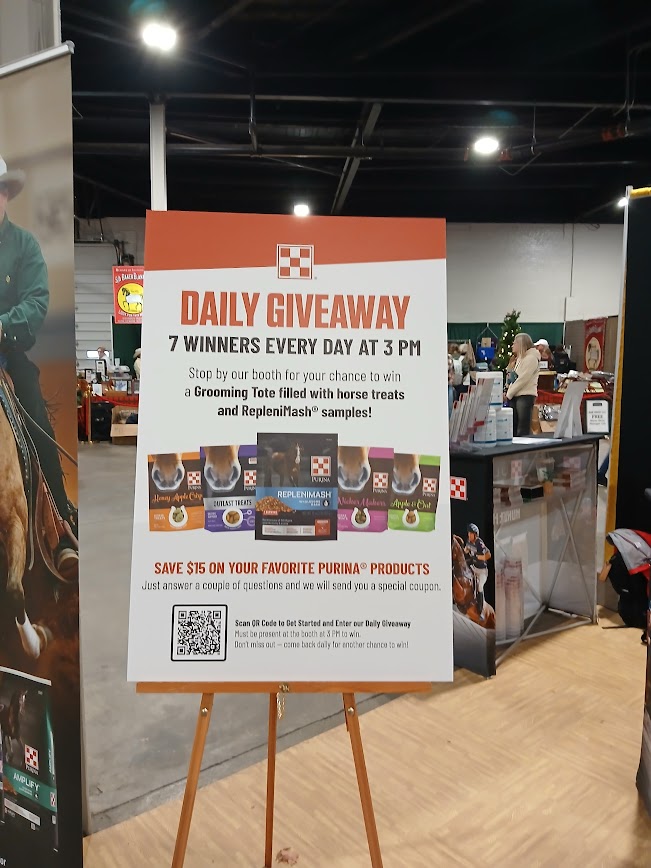
We had a wonderful time at this year's Equine Affaire in West Springfield MA. With every Purina product you’re getting the best thinking of the most accomplished group of Ph.D. equine nutritionists and equine experts in the industry.
Purina Horse Nutrition Makes a Difference You Can See
See why our research-based horse feeds and supplements are the right solutions for your horses. Our feeds are precisely formulated for your horse’s age and lifestyle. You’ll see the proof in strong hooves, shiny coats, and healthy horses.
When your horse is your teammate you'll do everything you can to help them perform. Get the performance-proven, research-backed supplements your athlete needs to bring home the win.
We’re passionate about helping horses reach their fullest potential. We are proud to sponsor A Home for Every Horse and professional ambassadors so that every horse’s story can be one of greatness.
You can find Purina in our section for Bedding & Feed.
Are you interested in promoting your business or sharing content on EIE? Contact us at info@equineinfoexchange.com
- "Equi-Analytical" at Equine Affaire 2025
- "Smart Equine" at Equine Affaire 2025
- "Chewy" at Equine Affaire 2025
- "Dimples Horse Treats" at Equine Affaire 2025
- "Boehringer Ingelheim" at Equine Affaire 2025
- "HoofWand" from Ranchers Preferred at Equine Affaire 2025
- Vaccinations Cause an Increase in Inflammation
- Using Microchips to Measure Body Temperature in Horses
- Four Directions Amino Acids Can Take - The Importance of Feeding Several Protein Sources
- Why is the American Quarter Horse the Most Popular Breed in the World?
- Get Your Goat! A Horse Companion Option
- Western Saddle Fitting 101: Tips on Proper Fit, Saddle Pads and More
- Biggest Barriers to Human-Led Exercise in Horses
- The Importance of Canine Oral Health - Dog Dental Powders
- Ensure Your Horse's Dental Health
- Midnight Snacks: When Do Stalled Horses Eat During the Night?
- 5 Tips About Equine Vaccines
- Five Things About Performance Horse Gut Health
- Using Ultrasound to Diagnose SI Joint Disease in Horses
- Hemp Hurd Bedding for Horses