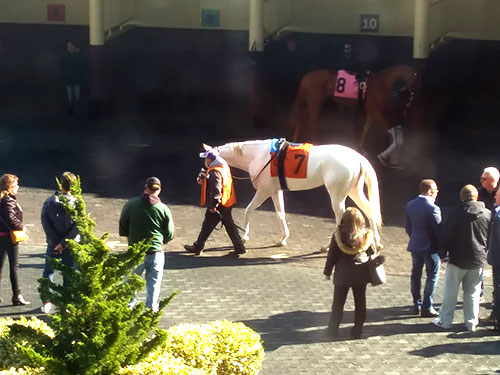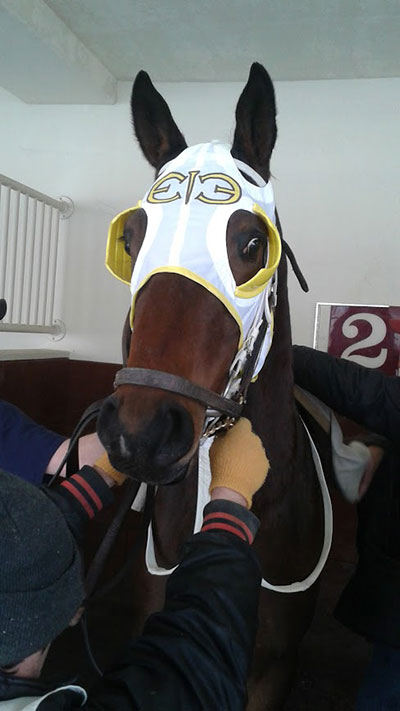





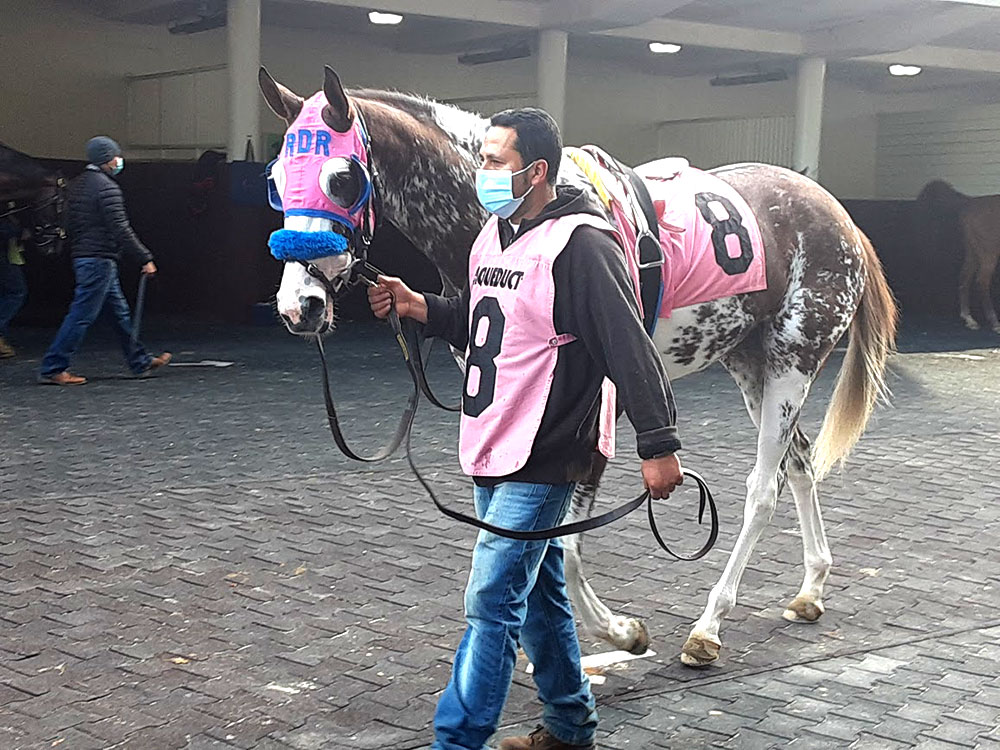
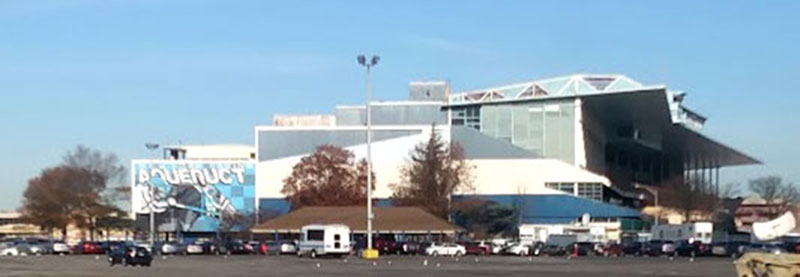
The final day of live thoroughbred racing at Aqueduct Racetrack is Sunday, June 28, 2026, culminating a 132-year run for the Ozone Park, Queens track. The historic final program is named, "It Was a Good Run." Affectionately known as "The Big A," the track opened in South Ozone Park, Queens, on September 27, 1894.
Aqueduct gets its unique name from its proximity to the historic Brooklyn Waterworks conduit that once delivered water to New York City. Over its more than 132-year history, it has served as New York City's last remaining thoroughbred racetrack.
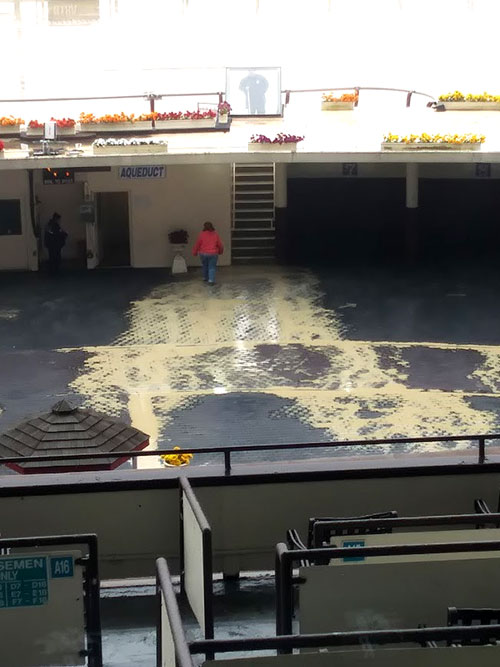
We don’t remember the first time we went to Aqueduct, but we’ve had some memorable moments watching our favorite horses. We’ve driven there through the snow, sleet and various wintery mixes, fighting the Van Wyck Expressway which is one of the most challenging and stressful roads to drive in the country – a congestion of gridlock traffic, potholes and construction.
“It’s not the sexiest place in the world, but it’s not good for another racetrack to close. I understand the economics of it. In relation to other tracks which have closed in this country, this is a big one,” says a fourth generation horseman.
“It’s sad that it’s closing. I saw Ruffian run there and got my start as a jockey at Aqueduct. I even have a tattoo of Ruffian on my shoulder,” said Robert Montano, former jockey turned actor and dancer who stars in the play Small off Broadway in New York City.
Indeed, Aqueduct Racetrack has hosted many of the greatest thoroughbreds in racing history, including Triple Crown winners like Secretariat, Seattle Slew, and Assault, as well as legendary champions like Kelso, Cigar, and Riva Ridge.
The Early Years and First Renovations
Built by the Queens County Jockey Club on land leased from a local farmer, the original facility was small and modest. It was given a major boost in 1895 when wealthy tugboat captain William Carter endowed the track, launching the prestigious Carter Handicap. The track gained national prominence during its early years, notably hosting a historic 1920 showdown where Man o' War battled John P. Grier in the Dwyer Stakes, setting a speed record.
The Rebuilding of "The Big A" (1959–1980s)
By the 1950s, New York horse racing was experiencing a lull. To revitalize the sport, the newly formed New York Racing Association (NYRA) took over the facility. Aqueduct was completely leveled and rebuilt into a state-of-the-art, modern racing plant.
When it reopened on September 14, 1959, to a crowd of over 42,000, it was widely considered the most advanced racing facility in North America. Its sprawling grandstand had a capacity of 75,000. Because Belmont Park was undergoing reconstruction, Aqueduct temporarily hosted the Belmont Stakes from 1963 to 1968.
Highlights and Milestones
- 1944 Triple Dead Heat: In a rare phenomenon for stakes races, horses Brownie, Bossuet, and Wait a Bit hit the wire in a dead heat, captured by a famous photo-finish.
- Belmont Stakes: Hosted the final legs of the Triple Crown for champions like Northern Dancer during the 1960s Belmont Park renovations.
- The Breeders' Cup: Held the prestigious Breeders' Cup event in 1985.
- Papal Mass: In 1995, Pope John Paul II held a massive mass at the track, drawing a record crowd of 75,000 people.
The Casino Era and Recent Years
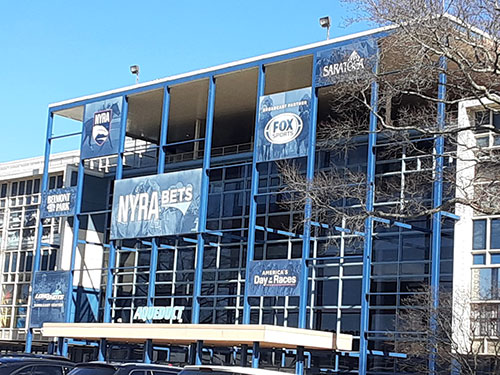
In late 2011, the track expanded its entertainment offerings with the opening of a massive multi-level casino—Resorts World New York City—operated by the Genting Group in portions of the grandstand. NYRA also updated the racing surfaces, replacing the inner dirt course with a second turf course in 2017.
Now, Aqueduct Racetrack is permanently closing its historic horse racing operations to consolidate all downstate New York racing to a newly modernized Belmont Park. Resorts World is expanding, with a $5.5 billion investment in the 72-acre Aqueduct site. This marks the end of racing in New York City.
Goodbye, Aqueduct, and thanks for the memories.
All photographs courtesy of the EIE Editorial team.
You can find more interesting articles in our section on Racing & Wagering.
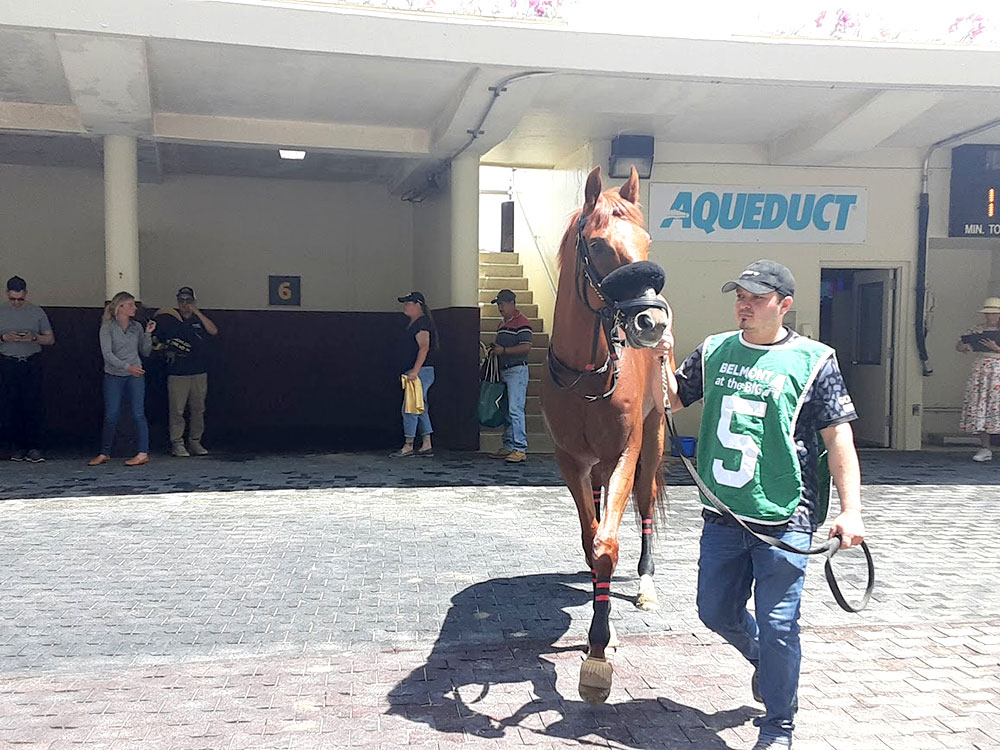
Cascading Down the Stairs from the Racetrack During a Storm