




You know what hasn't changed in two thousand years? The little thrill in your gut right before the gates fly open. People have been backing horses for as long as horses have been fast, and the story of that habit is honestly wilder than most folks expect.
Let's rewind.
Roman Roars And a Fistful of Denarii
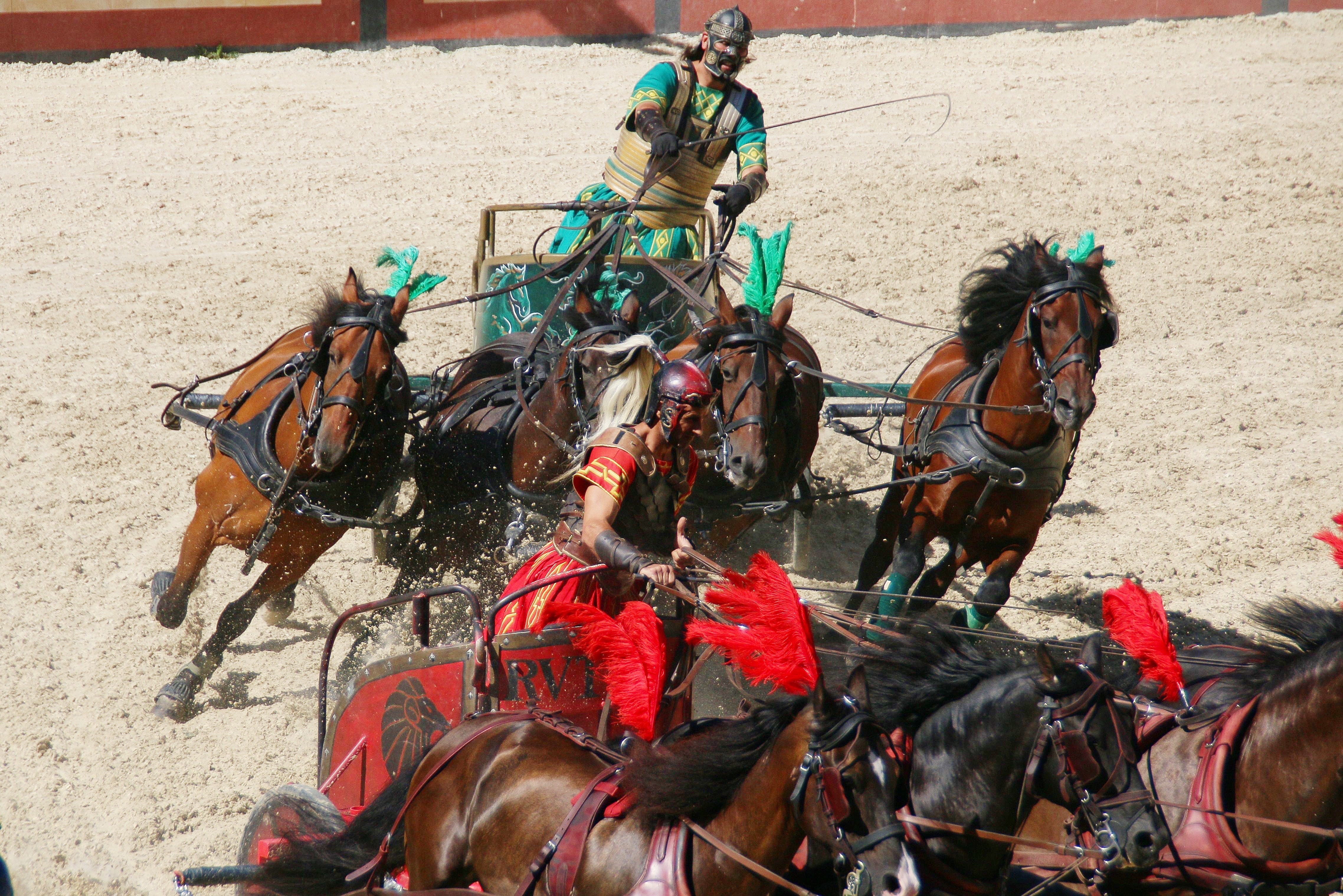
Picture the Circus Maximus. A quarter of a million fans packed shoulder to shoulder, the ground shaking under the chariots. Romans didn't just watch. They picked sides, and they picked hard.
The teams wore colors, the Reds, Whites, Blues, and Greens, and loyalty ran deep. Senators bet. Slaves bet. Everybody argued about it afterward. There were no commissions, no tax collectors, no computers logging every coin. Bets moved on nods and winks, handled by money-men called argentarii. Messy? Sure. But that tribal passion was the engine, and the wagering followed like a shadow.
Here's the funny part. Roman fans didn't need a bet to care. They cared anyway, then bet because they cared. Sound familiar? That's the same loyalty that keeps someone glued to their team through a losing season.
What's Old is New Again
Fast forward past the fall of Rome, and the itch never really went away. It just kept finding new outlets.
Medieval knights raced Arabian horses they'd hauled home from the Crusades, sizing up which mount could carry them fastest into battle. Nobles wagered on the side, naturally. By the 1600s, British royals threw their weight behind the sport, tracks went official, and rules started to matter.
And treasure? People have always run toward it. That hunt for buried fortune is the exact nerve Big Pirate Sweeps Casino pokes at, a free-to-play social platform where you raid rivals and spin for Diamonds you can redeem for real prizes. It bites because the payoff feels within arm's reach, the same reason a Roman leaned forward when his chariot rounded the final turn. Chase the loot, feel alive. Nothing new under the sun there.
Funny how the wrapping changes but the feeling stays put.
The Card that Changed Everything
So how'd we get from shouting matches at the racecourse to the tidy race card in your hand today?
The 19th century did the heavy lifting. Betting had become chaos, with private bookmakers taking cash trackside and plenty of them running crooked. Britain's Jockey Club stepped in, licensed bookies, and wrote the rulebook. Order, finally.
Then came the real game-changer: parimutuel betting. Instead of arguing over odds one-on-one, bettors pooled their money and split the winnings. Suddenly the whole thing felt fair, and it opened the doors to regular people who'd never dream of striking a private bet. That pool system still runs the Kentucky Derby and the Grand National today.
The modern card, with your win, place, show, exacta, and trifecta options laid out clean, is really just the polished descendant of those rowdy Roman guesses. Same act. Better spreadsheet.
Why We Keep Coming Back
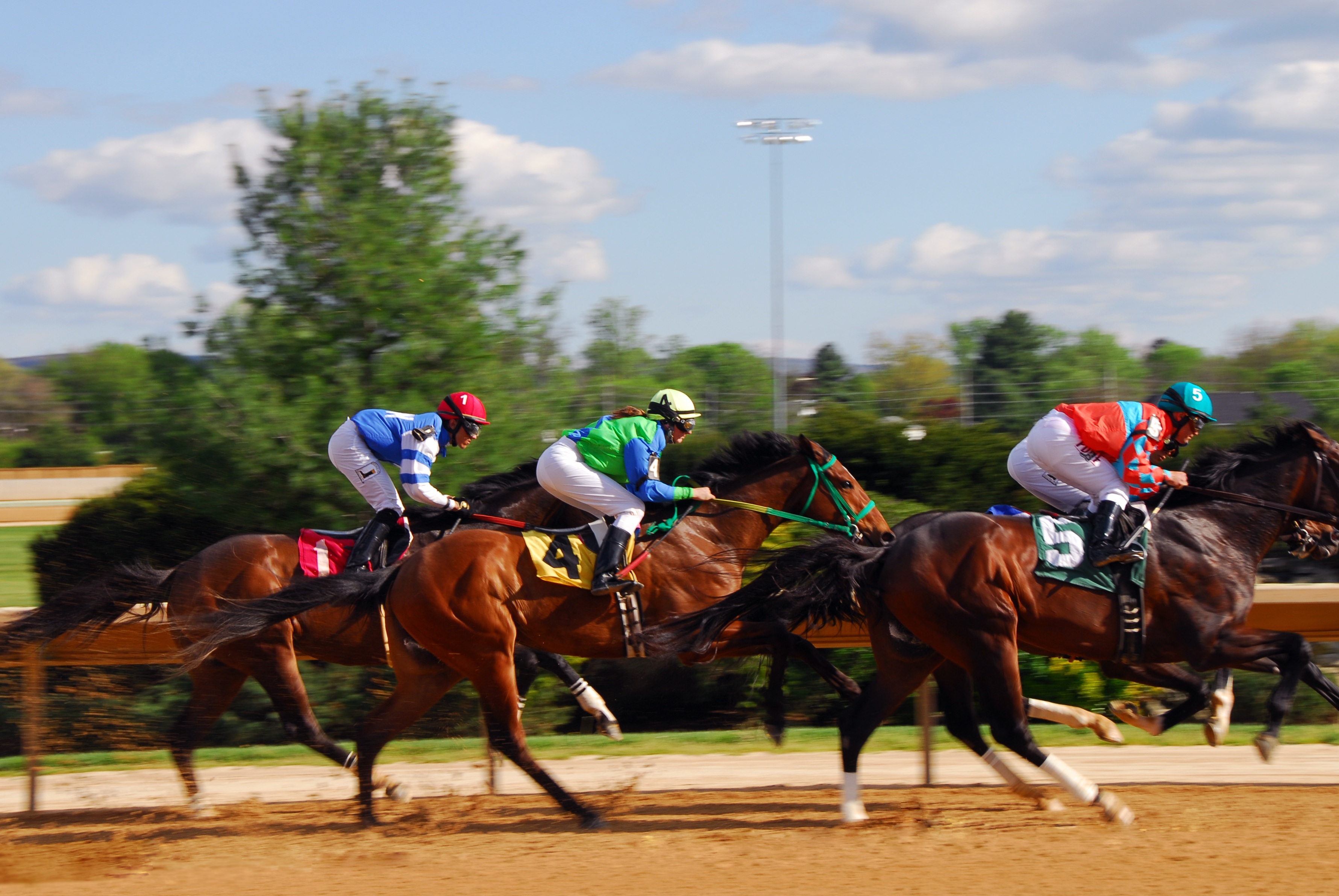
Strip away the centuries and it's the same simple thing, isn't it? A fast animal, a crowd holding its breath, and a small bet that makes you feel like part of the story.
The Romans knew it. The knights knew it. Your local track knows it every race day. We don't wager because we've done the math and cracked the code. We wager because caring feels better with a little skin in the game. Two thousand years, and that hasn't budged one inch.
You can find more informative articles in our section on Racing & Wagering.