




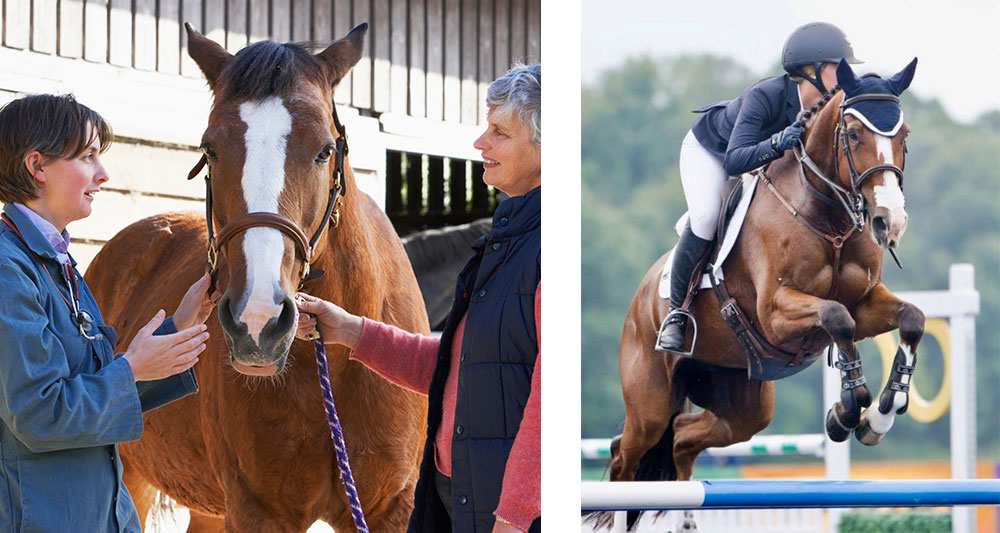
An equine veterinarian is a veterinarian who specializes in the care of horses. They are trained to diagnose and treat a wide range of horse health problems, including:
- Lameness
- Digestive problems
- Respiratory problems
- Reproductive problems
- Infectious diseases
- Neurological disorders
- Surgical conditions
Equine veterinarians also play a role in preventive care for horses, such as vaccinations, deworming, and dental care.
Equine veterinarians are different from small animal veterinarians in a number of ways. First, equine veterinarians must have a strong understanding of horse anatomy and physiology. Horses are large animals, and their anatomy and physiology are different from those of small animals such as cats and dogs.
Second, equine veterinarians must be able to work with horses in a variety of settings, including farms, racetracks, and horse shows. This requires them to be able to handle horses safely and effectively.
Finally, equine veterinarians must be familiar with a wide range of horse breeds and disciplines. This is because different breeds of horses are prone to different health problems, and different disciplines place different demands on horses' bodies.
Here are some specific examples of the tasks that an equine veterinarian may perform:
- Perform physical examinations
- Diagnose and treat diseases and injuries
- Perform surgery
- Vaccinate horses
- Deworm horses
- Provide dental care
- Advise horse owners on nutrition and management
Equine veterinarians play an important role in the health and well-being of horses. They provide a wide range of services to help horses stay healthy and perform at their best.
Here are some of the key differences between equine veterinarians and small animal veterinarians:
- Species: Equine veterinarians specialize in the care of horses, while small animal veterinarians specialize in the care of cats and dogs.
- Anatomy and physiology: Horses are large animals with anatomy and physiology that is different from that of small animals. Equine veterinarians must have a strong understanding of horse anatomy and physiology in order to provide effective care.
- Work environment: Equine veterinarians often work in a variety of settings, such as farms, racetracks, and horse shows. Small animal veterinarians typically work in veterinary clinics or hospitals.
- Breeds and disciplines: Equine veterinarians must be familiar with a wide range of horse breeds and disciplines. Small animal veterinarians typically focus on a smaller range of breeds and disciplines.
Overall, equine veterinarians and small animal veterinarians play important roles in the health and well-being of animals. They are both highly skilled and knowledgeable professionals who are dedicated to providing the best possible care to their patients.
FEATURED LISTINGS
 Flair LLC, PO Box 61, Delano, MN 55328
Phone USA: 1-888-68-FLAIR (35247)
Phone International: 1-763-972-9056
Email: info@flairstrips.com


Optimize your horse's health and performance. FLAIR® Equine Nasal Strips are drug-free, gently support the horse's nasal passages and are clinically proven to make breathing easier. For all horses in all disciplines.
 2150 Georgetown Road, Building 25, Lexington, KY 40511
Phone: (859) 246-0112
Phone: (800) 728-1654
Email: info@rrvp.com
Rood & Riddle Veterinary Pharmacy is a full-service veterinary pharmacy located in the “The Horse Capital of the World,” Lexington, Kentucky. We are the official pharmacy of nationally recognized organizations like the Breeders' Cup, The National Horse Show, and the United States Hunter Jumper Association. We offer prescription, non-prescription, and custom compounded medications in a variety of flavors and methods of delivery, suitable for every animals' unique needs across the United States. Read more.