





Editor's note: Since this article was originally published, three competition horses—Sully, Detail, and Rocket—were injured while stabled at the South Point Hotel & Casino Equestrian Center during the NBHA Las Vegas Super Show. There is a video exploring the mental health issues behind this unfortunate event and you can find it HERE on EIE.
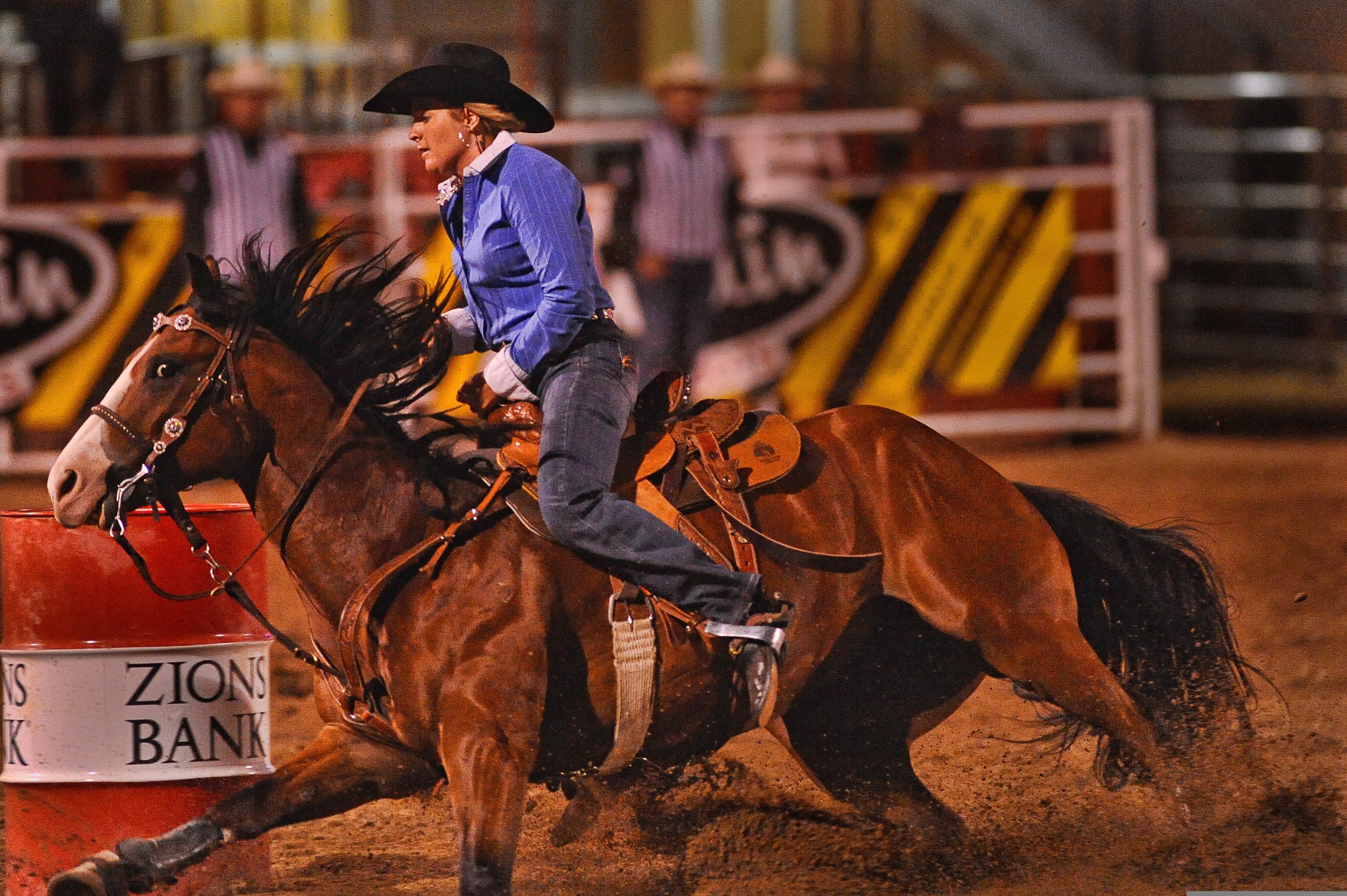
Competing in sporting events can be very stressful and can lead to dire results. Recently, a teenage competitor was arrested in Las Vegas after she allegedly entered several stalls in the middle of the night and stabbed at least three horses at a barrel racing event, National Barrel Horse Association Professional's Choice Vegas Super Show, at South Point Casino. The teen was arrested by the Las Vegas Metropolitan Police Department, and booked into the Clark County Juvenile Hall on 12 animal cruelty counts and three felony charges of malicious destruction of private property.
What prompted this horribly brutal event has yet to be disclosed, but the possibility exists that this young competitor suffered a mental breakdown at the time.
Mental illness can be found in other sports as well. Recently, Canadian hockey champion Claude Lemieux committed suicide at 60 years old, only days after raising a torch to light up the Bell Centre in Montreal, Canada, prior to a hockey game. Mr. Lemieux’s family is donating his brain to the Boston University CTE Center to possibly determine if CTE may have contributed to this fatal decision.
Dave Duerson died by suicide on February 17, 2011. The former NFL Chicago Bears safety was a four-time Pro Bowler was an integral part of the 1985 Bears championship team. His suicide note included, “Please see that my brain is given to the NFL’s brain bank.”
Following his death, researchers confirmed that he had been suffering from advanced CTE, a degenerative disease associated with repetitive brain trauma. His decision to contribute to medical science significantly raised awareness regarding the long-term neurological health of athletes.
Although CTE is often associated with contact sports like hockey and football, any athlete can be a victim, including equestrians and jockeys who have developed traumatic brain injuries from blows to the head and concussions. Did this barrel racing teenager also have a brain injury due to a fall or accident? Barrel racers don’t typically wear protective headgear or helmet, so the head injury possibility exists.
Did this teenage barrel racer experience another mental health issue? Perhaps. Law enforcement has not officially diagnosed her with a mental illness but witnesses noticed her action showed deep obsession, parasocial delusion and premeditation. Social media statements from affected owners suggest the teen may have had a long-standing, obsessive fixation on specific riders and their horses, tracking their movements to carry out the attacks. The good news is that the targeted horses survived with non-life-threatening injuries, but were rendered unable to compete in the NBHA event.
Mental illness in sports is typically triggered by a combination of intense performance pressure, severe physical injuries, and an over-identification with an athletic persona. When these environmental stressors collide with the highly driven personality traits required for elite competition, it creates a unique vulnerability to conditions like depression, anxiety, and eating disorders.
Common triggers for mental health struggles in athletics include:
- Performance Pressure & Perfectionism: Athletes possess an innate drive and self-control, but this often translates into relentless perfectionism. The fear of failure, coupled with high expectations from coaches, media, and fans, frequently leads to chronic anxiety and burnout.
- Injuries & Loss of Identity: Many athletes tie their entire sense of self-worth to their physical abilities. A severe or career-ending injury not only forces a grueling rehabilitation process but also strips away their core identity, sparking profound grief and depression.
- Overtraining Syndrome (OTS): Exhaustive training regimens and disrupted sleep schedules (due to travel and competition) physically distress the nervous system. Overtraining causes both physical and mental fatigue, severely limiting a player's ability to cope with psychological stressors.
- Sport-Specific Body Expectations: Sports that emphasize a "competitive advantage" through weight or appearance—such as gymnastics, wrestling, and distance running, or figure skating—heavily predispose athletes to eating disorders.
- Toxic Team Environments: Experiences with bullying, hazing rituals, or gender/sexual misconduct cause severe psychological trauma. These environments promote isolation, exclusion, and acute stress.
Signs of mental illness in sports can be hard to spot because athletes are conditioned to push through pain. Common indicators include sudden drops in performance, loss of interest in the sport, withdrawal from teammates, sleep disturbances, extreme mood swings, and physical ailments with no medical cause.
The highly competitive and often public nature of sports can trigger various mental health challenges. Look out for these specific behavioral, physical, and psychological signs.
Behavioral & Social Changes
- Performance Drops: A sudden, unexplained decline in athletic or academic performance.
- Social Withdrawal: Secluding oneself from teammates, coaches, friends, or family.
- Loss of Passion: Dread or lack of motivation for practices and games that the athlete once enjoyed.
- Substance Use: An increase in alcohol or drug use, often as a maladaptive coping mechanism.
- Neglecting Appearance: A noticeable change in personal hygiene or general self-care.
Physical Signs
- Sleep Disturbances: Insomnia, oversleeping, or erratic rest patterns.
- Eating & Weight Changes: Significant fluctuations in weight or major changes in eating habits.
- Chronic Fatigue: Complaints of constant exhaustion despite training loads remaining the same.
- Unexplained Physical Pain: Frequent headaches, stomachaches, or vague physical complaints with no clear medical origin.
Psychological & Emotional Indicators
- Extreme Moods: Unusual irritability, sudden anger, or emotional flatness.
- Negative Self-Talk: Excessive self-criticism, expressions of worthlessness, or statements of hopelessness.
- Intense Anxiety: Severe performance anxiety, panic attacks, or an overwhelming fear of failure/re-injury.
- Obsessive Behaviors: Rigid rituals before games that escalate into obsessive-compulsive routines necessary to feel safe.
Please seek help if you experience these signs or recognize indications in others to help prevent another tragedy.
Of course, our hearts go out to the horses and owners who love them and recognize both the physical and psychological impact of this assault.
Says one horse owner as a reaction to this event, “This story is awful. Years ago, when I had a horse at a local farm, a groom in a bad mood decided to move my horse over by stabbing him with a pitchfork. I remember being absolutely still and calm up until the point where I assessed him and saw the clear prong marks in his shoulder. The white-hot rage and bloodlust it evoked in me were frightening. At that moment, I could have killed the person who hurt him. I understand what these owners are going through and it's awful.”
In the US, the suicide prevention lifeline is 1-800-273-8255 and the domestic violence hotline is 1-800-799-SAFE (7233). In the UK and Ireland, Samaritans can be contacted on 116 123 and the domestic violence helpline is 0808 2000 247. In Australia, the crisis support service Lifeline is 13 11 14 and the national family violence counselling service is 1800 737 732. In Canada, call 988 for the suicide and crisis hotline or see END CAN for additional support hotlines. Other international helplines can be found at Befrienders Worldwide Suicide Prevention.
There are more informative articles in our section on Health & Education.