





Health & Education
We all want the best care possible for our horses. The Heath & Education section covers both Learning Institutions, Organizations as well as many sources for equine assistance including Veterinarians and Farriers.
For those who want a to formally study horses, the Education section includes College Riding, Equine Studies, and Veterinary Schools. Learn about the wide variety of horses in the Horse Breeds section. Supplements and Treatments Therapy are also included in the section.
Everyone can learn from Fine Art and there are some specialty Museums that might surprise you.
Horses as a therapy partner enrich the lives of the disabled. These facilities are listed in our Therapeutic Riding section. To help children and young adults build confidence and grow emotionally, please see the resources available on the Youth Outreach page.
Looking for a place to keep your horse? You can find it in the Horse Boarding section. Traveling? Find a Shipping company or Horse Sitting service if your horse is staying home!
Want to stay up to date with the latest training clinics or professional conferences? Take a look at our Calendar of Events for Health & Education for the dates and locations of upcoming events.
Do we need to add more? Please use the useful feedback link and let us know!
by Kentucky Equine Research Staff
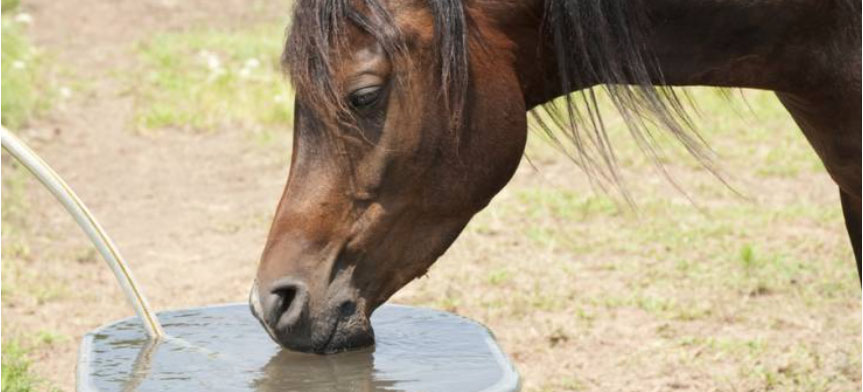
As horse owners, we know well the importance of providing horses with water. Consider these six facts about water the next time you’re scrubbing buckets or waiting for the trough to fill.
1. Not surprisingly, water consumption depends on body weight. Expect a Belgian to outdrink a Haflinger any day of the week. Oddly enough, though, horses of similar body weight and breed may have completely different, though normal, intakes. What’s normal, you ask? Idle horses in a moderate climate will drink 5-15 gallons (20-55 liters) of water daily.
2. Just because your old mare drank two buckets of water yesterday and the day before that doesn’t mean she’ll drink two today. Variations in water intake for individual horses may occur from day to day. Keep track of water consumption as best as you can, and alert a veterinarian if your horse seems to drink little or no water.
3. Without question, diet affects water consumption. Horses grazing lush pasture grasses, which are high in moisture content, will drink less water than those faced with a pile of hay. In fact, horses that consume all-hay diets drink more water than those fed mixed hay-grain diets.
4. Drinking doesn’t take up a lot of your horse’s day. Researchers calculated that well-fed mature horses spend only five or six minutes a day drinking water, though this is achieved in several visits to the water source.
5. Do foals drink water, or do their dams provide adequate fluid until weaning? If you’re a breeder, you’ve seen foals hit the waterer as early as a week old. In one study, one-month-old foals drank nearly a gallon of water in addition to more than four gallons of milk daily.
6. Depending on environmental conditions and work intensity, exercising horses may require more water than their sedentary peers, especially if they sweat. Horses that sweat daily should be given electrolytes to help replace mineral losses in sweat. Research-proven supplements like Restore SR and Race Recovery provide the best electrolyte therapy.
Providing fresh, clean water to horses at all times remains a basic principle of horsemanship.
Reprinted courtesy of Kentucky Equine Research. Kentucky Equine Research is an international equine nutrition, research, and consultation company serving horse owners and the feed industry. Our goals are to advance the industry's knowledge of equine nutrition and exercise physiology, apply that knowledge to produce healthier, more athletic horses, and support the nutritional care of all horses throughout their lives. Learn more at Kentucky Equine Research.
There a more informative articles in our section on Health & Education. While you're here be sure to visit our Curated Amazon Store.
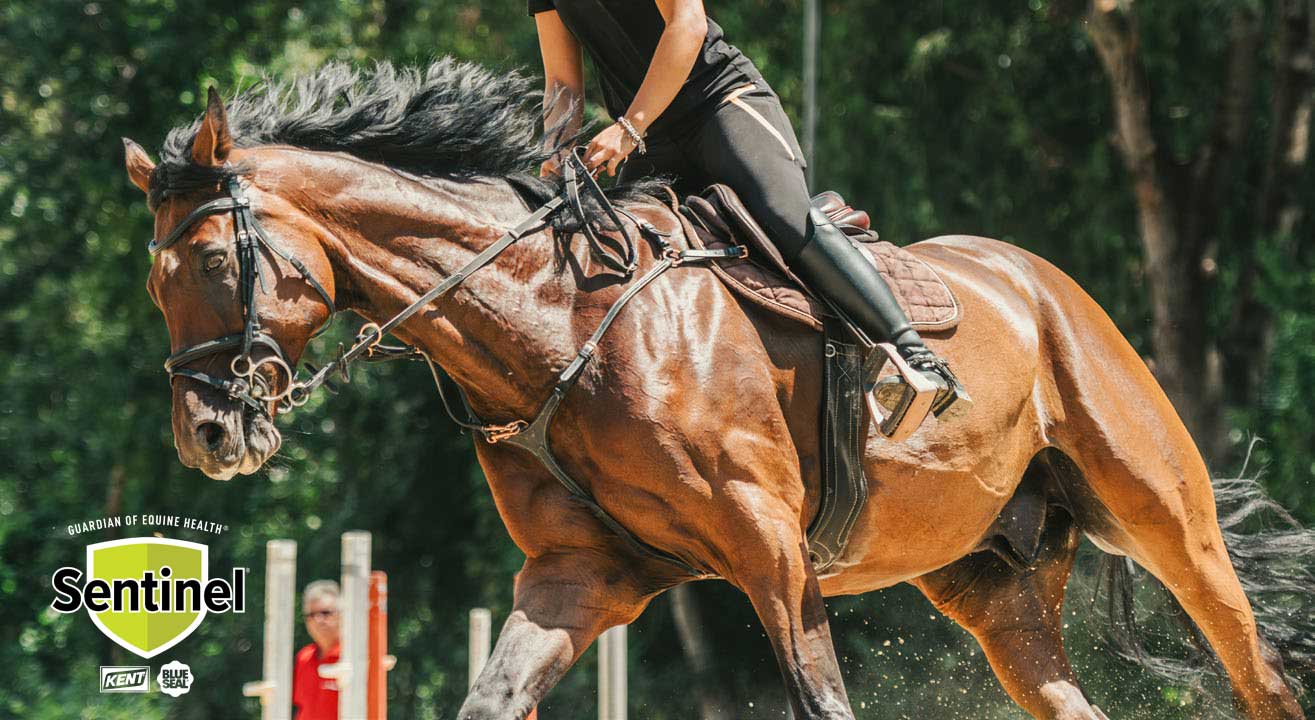
Sentinel Horse Nutrition offers expert guidance in their eBook "Helping All Horses Live Healthier Lives". Read the excerpt below and be sure to get your free copy of the entire eBook!
Protein and Muscle Recovery for Performance Horses
Protein is a vital part of a horse’s diet. This is particularly true of performance horses as protein aids in muscle development, repair and overall health. Understanding the importance of specific amino acids will give your clients’ horses the best chance of top performance and recovery.
Amino acids: the building blocks of muscle.
Amino acids are the building blocks of protein, but not all amino acids are equally present in an equine diet. Limiting amino acids, such as lysine, methionine and threonine, cannot be synthesized by the horse and must be provided through feed. When these essential amino acids are in short supply, the horse’s ability to utilize other amino acids is restricted, which can negatively impact muscle development, repair and overall performance.
Competitive horses with an amino acid deficiency may exhibit signs such as poor topline development, muscle loss despite adequate caloric intake, delayed recovery after exercise and lack of stamina. Behavioral indicators may include reluctance to engage in strenuous activity, difficulty building or maintaining muscle mass and a dull coat, as protein also plays a role in skin and hair health. Ensuring a balanced intake of essential amino acids is critical in supporting peak athletic performance, strength and recovery.
In equine nutrition, the primary limiting amino acids are:
 Often the first limiting amino acid in equine diets, lysine is essential for growth and muscle development.
Ensuring adequate lysine intake supports optimal protein synthesis.
Often the first limiting amino acid in equine diets, lysine is essential for growth and muscle development.
Ensuring adequate lysine intake supports optimal protein synthesis.
 This sulfur-containing amino acid plays a role in the synthesis of other proteins and supports hoof and
hair health.
This sulfur-containing amino acid plays a role in the synthesis of other proteins and supports hoof and
hair health.
 This amino acid is important for immune function and gut health and contributes to muscle protein synthesis.
Protein quality and digestibility.
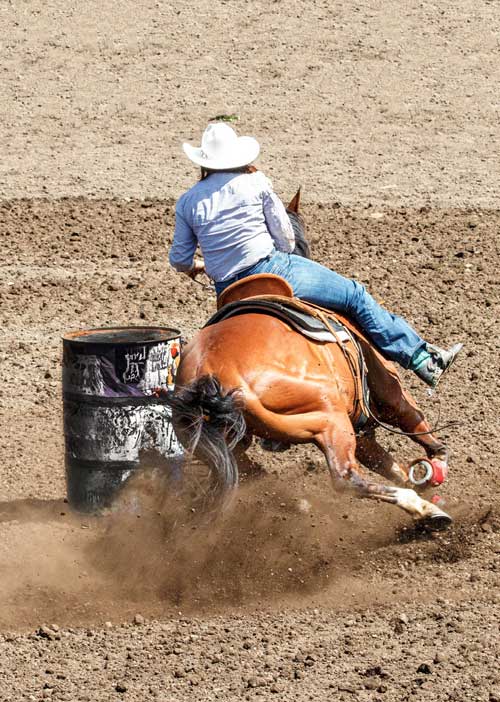
Incorporating high-quality protein sources like soybean meal or alfalfa ensures the availability of essential amino acids necessary for muscle maintenance and repair. Performance horses experience significant muscle stress during training and competition, and intense exercise can cause microdamage to muscle fibers, requiring proper protein intake for recovery and adaptation.
Without adequate amino acids, muscle recovery slows, leading to fatigue, loss of topline and diminished performance. Ensuring a diet rich in essential amino acids supports strength, endurance and the ability to perform over time.
“Protein plays a vital role in muscle development, tissue repair and the horse’s overall health, but it works best as part of a wellrounded diet,” Sturken says. “It's important to balance protein with other energy sources to meet the horse's overall nutritional needs without overloading.”
Get Your Free eBook
You can find out more about protein and muscle recovery for performance horses in the full eBook "Helping All Horses Live Healthier Lives".

- Evaluating Horses for Back Pain
- Is Pasture Grazing Safe This Summer for Your Insulin-Resistant Horse
- Chewing Halters: A New Tool to Track Ingestive Behavior and Optimize Welfare
- Barn Construction: 7 Principles to Reduce Fire Risk
- Top 3 Causes of Barn Fires
- Rope Halter Safety and Adjustment with Julie Goodnight
- Crafting Diets for Easy and Hard Keeper Horses - an excerpt from Helping All Horses Live Healthier Lives
- How Horse Show Culture Has Changed (and why it’s worth preserving)
- Listening Beyond Words: The Wisdom of Horses
- More than ‘Four on the Floor’ with Equine Guelph Horse Trailer Safety Course
- Skin Problems in Horses: Culicoides Hypersensitivity
- Osteoarthritis Pain in Horses Controlled by CBD and Related Products
- Review of Roaring & Possible New Surgical Procedure
- Encourage Horses to Drink During Transport
- Be Pro-active Rather than Reactive with Biosecurity
- Is Your Horse Happy?
- Setting Up Thoroughbreds for Success One Stride at a Time
- Five Things About Joint Care
- The Efficacy of Sponge Baths and Hosing on Exercise Recovery in Thoroughbred Horses
- Smarter Grazing: How Satellite Technology Supports Sustainable Horse Pasture Management