




Health & Education
We all want the best care possible for our horses. The Heath & Education section covers both Learning Institutions, Organizations as well as many sources for equine assistance including Veterinarians and Farriers.
For those who want a to formally study horses, the Education section includes College Riding, Equine Studies, and Veterinary Schools. Learn about the wide variety of horses in the Horse Breeds section. Supplements and Treatments Therapy are also included in the section.
Everyone can learn from Fine Art and there are some specialty Museums that might surprise you.
Horses as a therapy partner enrich the lives of the disabled. These facilities are listed in our Therapeutic Riding section. To help children and young adults build confidence and grow emotionally, please see the resources available on the Youth Outreach page.
Looking for a place to keep your horse? You can find it in the Horse Boarding section. Traveling? Find a Shipping company or Horse Sitting service if your horse is staying home!
Want to stay up to date with the latest training clinics or professional conferences? Take a look at our Calendar of Events for Health & Education for the dates and locations of upcoming events.
Do we need to add more? Please use the useful feedback link and let us know!
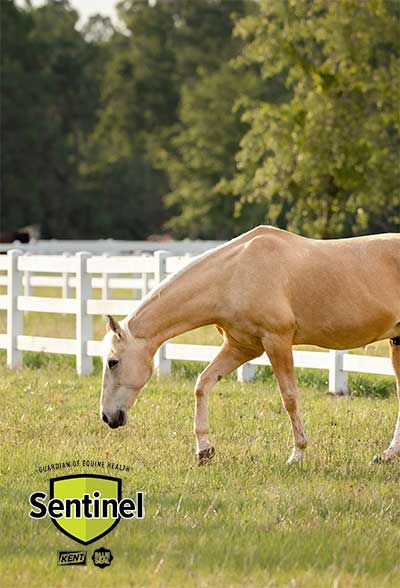
We've all encountered this as horse owners, the "easy" and "hard" keeper. Feeding horses can be a complex endeavor, and the challenges are particularly pronounced when dealing with "easy keepers" (those who gain weight readily) and "hard keepers" (those who struggle to maintain weight). Both extremes require careful management to ensure optimal health and prevent serious health issues.
Sentinel Horse Nutrition offers expert guidance in their eBook "Helping All Horses Live Healthier Lives". Read the excerpt below and be sure to get your free copy of the entire eBook!
Crafting diets for easy and hard keeper horses.
Giving weight to a custom equine feed plan.
Finding the right nutritional balance is essential for every horse, but it becomes especially critical when feeding easy and hard keepers, animals that have an “easy” or “hard” time maintaining their weight. For example, an overweight horse with insulin resistance may require a carefully controlled starch and sugar intake. Meanwhile, an underweight horse recovering from illness may need more calories to rebuild strength and immunity. Both scenarios require a tailored approach to maintain optimal body condition for long-term health and vitality.
It’s important to note, not all horses should be considered easy or hard keepers. Most horses’ weights will fluctuate throughout their lives. A horse's metabolism plays a key role in determining whether it is an easy or hard keeper.
Breaking down easy and hard keeper conditions.
 Easy Keepers: Easy keepers generally include ponies, draft horses and some stock breeds. Some factors that might influence an easy keeper's weight include:
Behavior: Horses that are calm or less active burn fewer calories throughout the day.
Breed: Ponies and draft horses are genetically predisposed to thrive on limited forage.
Seasonal: Some horse breeds, such as ponies, conserve energy and store fat for periods with limited forage.
Some health conditions can lead to challenges with weight loss. These may include:
Obesity: Easy keepers can gain excess weight, which may lead to metabolic disorders.
Laminitis: Overweight horses, especially those with access to rich pastures or high-starch feeds, may be at greater risk.
Nutritional imbalances: Limiting feed intake to control weight may lead to deficiencies in essential vitamins and minerals.
 Hard Keepers: Usually, certain types of horses and breeds are classified as hard keepers. These include racing horses like thoroughbreds and standardbreds because they have very active metabolisms. Other factors may include:
Behavior: Horses that are high strung or active burn more calories each day.
Breeding: Stallions tend to burn more calories each day, and broodmares require more calories during late pregnancy and lactation.
Age: Senior horses don’t metabolize nutrients as well as younger horses.
Competition and training: Performance horses require more calories in their diets.
Some health conditions and social considerations can also lead to challenges with weight gain. These may include:
Poor dental health: Deteriorating teeth condition can cause pain and discourage eating.
Parasites: An infection of internal parasites can cause weight loss.
Herd dynamics: Less dominant horses may get run off their feed.
Lameness: An injury can discourage eating.
Illness: A sick horse may be less prone to routine eating.
Get Your Free eBook
You can find out more about the requirements for "easy" and "hard" keeper horses in the full eBook "Helping All Horses Live Healthier Lives".
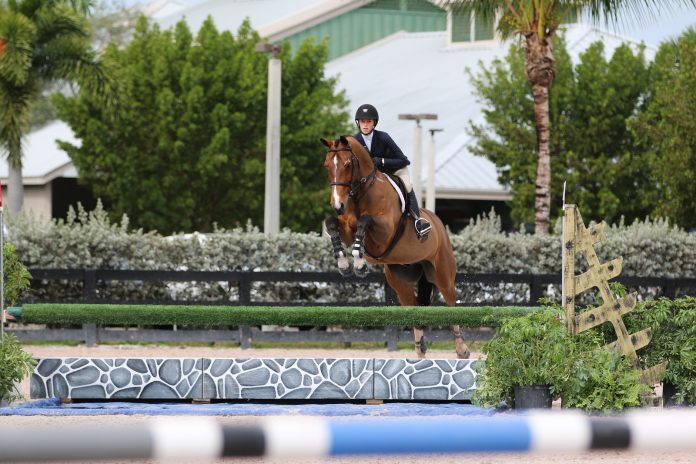
Horse shows have always been about more than ribbons. They’re communities. They’re proving grounds. They’re places where kids grow up, professionals shape their craft, and horse lovers gather to celebrate their shared passion. But anyone who’s been part of the sport for more than a few years will tell you—horse show culture has changed.
In Episode 437 of The Plaidcast, long-time horseman and show manager Berry Porter joined host Piper Klemm to reflect on those shifts. With over 70 years of experience in the saddle and behind the scenes, Porter has watched the horse show world evolve from local weekend gatherings into massive, professionally run events. His stories and Klemm’s observations offer a window into what’s changed, what’s been lost, and why the core of the culture is still worth holding onto.
From Backyard Rings to Multi-Million Dollar Venues
“Things are different now,” Porter said simply. “It’s bigger, faster, more expensive.”
Today’s horse shows often span multiple rings, run for weeks at a time, and attract competitors from across the country. They feature elaborate setups, livestreaming, high-end sponsorships, and prize money once unheard of in the sport. Klemm noted that while this evolution has elevated the visibility of the industry, it’s also created pressure.
“We see these incredibly polished videos and curated experiences,” she said. “But there’s a real gap between that and what a lot of people experience day to day. It can make the sport feel less accessible.”
That accessibility issue is echoed in Porter’s observations. While he’s proud of how far the sport has come, he’s also seen how rising costs and intense competition have pushed some people away from the showgrounds entirely.
“In the old days, people just came out to be part of it,” he said. “You didn’t have to win to feel like you belonged.”
A Shift in Priorities and Pace
One of the biggest cultural changes Porter noted is the shift in how people experience the showgrounds.
“It used to be that everyone stayed at the ring to watch and support each other. Now it feels like everyone’s in a rush,” he said.
That sense of community—gathering to watch classes, celebrate good rounds, and debrief bad ones—isn’t gone, but it’s thinner than it used to be. Riders often juggle tight schedules, multiple horses, and long days, making it harder to linger and connect. Meanwhile, increased emphasis on winning and qualifying can leave less room for sportsmanship and fun.
Klemm echoed this sentiment. “We used to learn by watching. Watching our friends, watching our heroes. That’s harder now when everyone’s spread so thin or glued to their phones.”
Yet both agree that cultivating that shared experience is critical to the sport’s longevity.
Holding Onto Tradition Without Stopping Progress
Neither Porter nor Klemm is interested in turning back the clock. They’re both deeply engaged in the present and believe in the potential of today’s riders, trainers, and show managers to build a positive future for the sport.
But that doesn’t mean forgetting the past.
“There’s a lot of tradition in this sport that’s worth keeping,” Porter said. “Things like showing up early to help, staying to cheer people on, and giving back when you can. That’s what makes the sport strong.”
Klemm pointed out that the next generation of equestrians has a real opportunity to redefine the culture without losing the values that matter.
“It’s not about nostalgia. It’s about connection,” she said. “We have to keep asking how we make this sport feel like home, not just a competition.”
People Still Matter Most
At the core of every good horse show culture are the people who make it happen. From the volunteers and ring crew to the show managers and stewards, the sense of community often depends on individuals who care more about participation than prestige.
Porter, who still volunteers regularly, believes this is one of the most important things to protect.
“Not everyone can be a top rider,” he said. “But everyone can contribute something. And when people feel like they matter, they stay in the sport.”
Klemm agreed. “We need to make space for more kinds of success. Not just blue ribbons, but people who mentor, people who learn, people who care.”
What Comes Next
Horse show culture will keep evolving. Technology will advance, venues will grow, and competitive standards will continue to rise. But if there’s one thing Porter and Klemm both emphasize, it’s that the values of kindness, curiosity, and contribution shouldn’t be left behind.
“We have something really special in this sport,” Porter said. “We just have to make sure we take care of it.”
Want to hear more insights on the past, present, and future of horse shows? Tune in to Episode 437 of The Plaidcast with Piper Klemm and Berry Porter—available now wherever you listen to podcasts.
This article originally appeared in the The Plaid Horse and is published here with permission.
There are more informative articles in our section on Health & Education.
- Listening Beyond Words: The Wisdom of Horses
- More than ‘Four on the Floor’ with Equine Guelph Horse Trailer Safety Course
- Skin Problems in Horses: Culicoides Hypersensitivity
- Osteoarthritis Pain in Horses Controlled by CBD and Related Products
- Review of Roaring & Possible New Surgical Procedure
- Encourage Horses to Drink During Transport
- Be Pro-active Rather than Reactive with Biosecurity
- Is Your Horse Happy?
- Setting Up Thoroughbreds for Success One Stride at a Time
- Five Things About Joint Care
- The Efficacy of Sponge Baths and Hosing on Exercise Recovery in Thoroughbred Horses
- Smarter Grazing: How Satellite Technology Supports Sustainable Horse Pasture Management
- Managing Energy and Motivation While Caring for Your Horses
- Five Tips for Hiring a Horse Shipper
- Tall Fescue Toxicity in Mares
- Healthy Joints for Years of Happy Trails
- $20,000 in student scholarships offered by Purina Animal Nutrition
- Saddle Fit Differences Between Men and Women
- Use of Standardized Exercise Tests in Equine Research
- Helping all horses live healthier lives