




Health & Education
We all want the best care possible for our horses. The Heath & Education section covers both Learning Institutions, Organizations as well as many sources for equine assistance including Veterinarians and Farriers.
For those who want a to formally study horses, the Education section includes College Riding, Equine Studies, and Veterinary Schools. Learn about the wide variety of horses in the Horse Breeds section. Supplements and Treatments Therapy are also included in the section.
Everyone can learn from Fine Art and there are some specialty Museums that might surprise you.
Horses as a therapy partner enrich the lives of the disabled. These facilities are listed in our Therapeutic Riding section. To help children and young adults build confidence and grow emotionally, please see the resources available on the Youth Outreach page.
Looking for a place to keep your horse? You can find it in the Horse Boarding section. Traveling? Find a Shipping company or Horse Sitting service if your horse is staying home!
Want to stay up to date with the latest training clinics or professional conferences? Take a look at our Calendar of Events for Health & Education for the dates and locations of upcoming events.
Do we need to add more? Please use the useful feedback link and let us know!
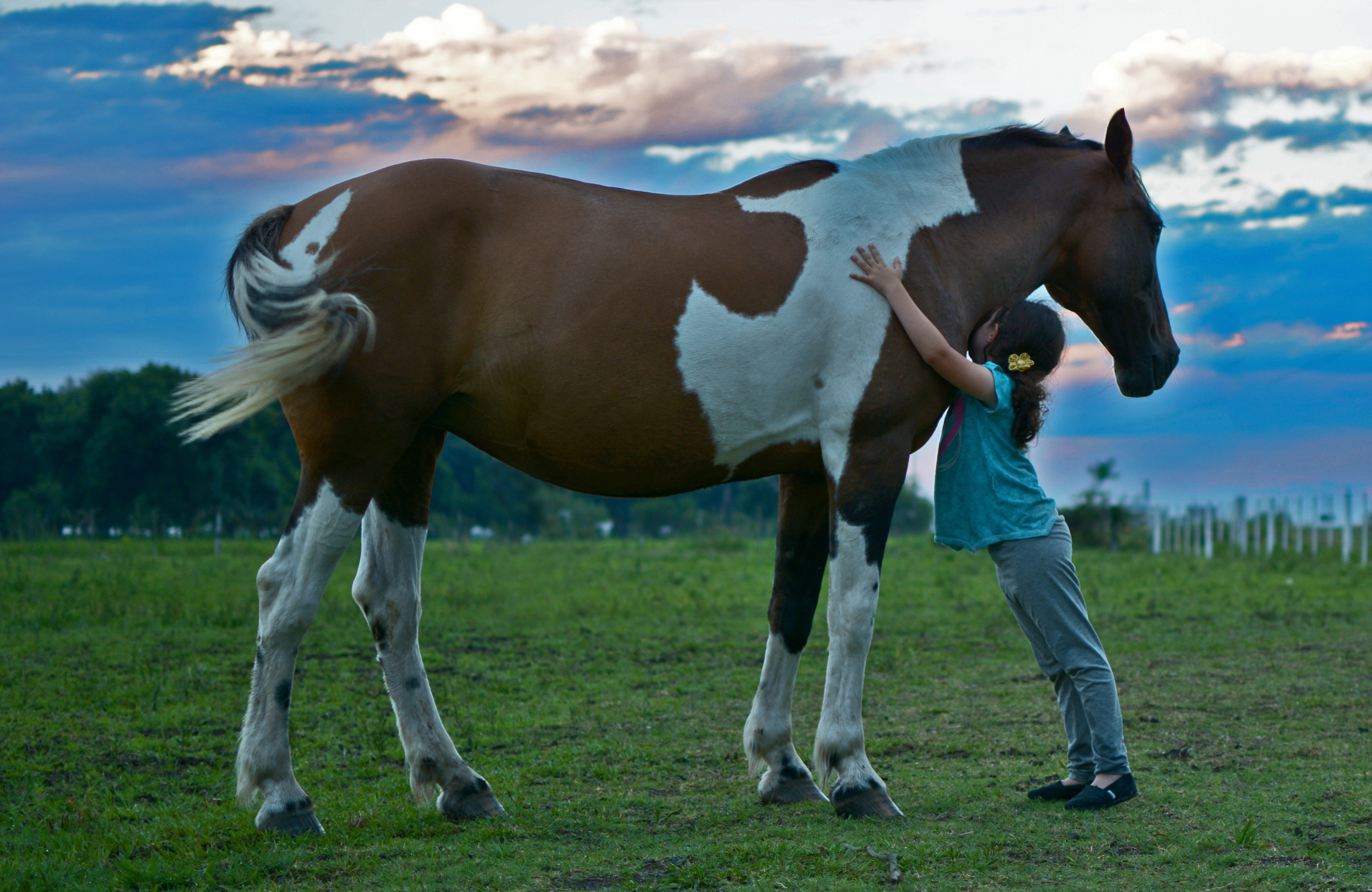
Anthropomorphism—attributing human thoughts, intentions, or emotions to non-human animals—is a double-edged sword for horse owners. While it can drive empathy and better care, it often causes owners to misinterpret natural prey behaviors as human defiance, leading to training conflicts and welfare issues.
The Dangers: Projecting Human Motivations
It is biologically inaccurate to assume horses possess complex human morality or strategic thinking. Projecting these traits can lead to dangerous consequences.
- The "Spite" Trap: Assuming a horse is being vindictive, defiant, or trying to "outsmart" you. Horses act on survival instincts, not revenge. When they "refuse" a jump or pull away, it is usually from confusion, fear, or physical pain, not a power play.
- Incorrect Capacity Expectations: Expecting a horse to understand complex reward systems, apologize, or learn through cruel punishment (like hitting) long after an incident occurred.
The Risks: Misunderstanding Equine Needs
Viewing a horse’s lifestyle through a human lens can accidentally compromise their physical or mental health.
- Over-rugging: Projecting our own feeling of "being cold" onto horses and over-rugging them, which removes their natural ability to regulate their body temperature.
- Strict Confinement: Keeping horses in close, isolated stalls because we equate it to having a "nice, cozy bedroom". This denies them natural herd interaction and constant foraging.
The Benefits: Cultivating Empathy
When applied cautiously, anthropomorphism fosters a bond that drives owners to advocate for their horse's wellbeing. It helps owners.
- Relate and Connect: Empathize with the horse's basic needs for safety, food, and companionship.
- Recognize Pain: Notice subtle signs of discomfort (such as tension or reluctance) because we relate their pain to our own.
Finding Balance: Moving from "Human" to "Horse"
Instead of assuming your horse thinks like you, practice Reverse Anthropomorphism—stepping into the horse’s mind as a prey animal. When assessing a behavior, ask yourself these questions.
- Is this a survival instinct (fear of the unknown, flight response) rather than a deliberate choice?
- Is my horse physically equipped, comfortable, and balanced enough to do what I am asking?
Learn to look for and read equine calming signals—such as licking, chewing, or adjusting ear direction—to understand how they process the world. Your horse will appreciate it!
There are other interesting articles in our section for Health & Education.
Are you interested in promoting your business or sharing content on EIE? Contact us at info@equineinfoexchange.com
Editor's note: Since this article was originally published, three competition horses—Sully, Detail, and Rocket—were injured while stabled at the South Point Hotel & Casino Equestrian Center during the NBHA Las Vegas Super Show. There is a video exploring the mental health issues behind this unfortunate event and you can find it HERE on EIE.
Competing in sporting events can be very stressful and can lead to dire results. Recently, a teenage competitor was arrested in Las Vegas after she allegedly entered several stalls in the middle of the night and stabbed at least three horses at a barrel racing event, National Barrel Horse Association Professional's Choice Vegas Super Show, at South Point Casino. The teen was arrested by the Las Vegas Metropolitan Police Department, and booked into the Clark County Juvenile Hall on 12 animal cruelty counts and three felony charges of malicious destruction of private property.
What prompted this horribly brutal event has yet to be disclosed, but the possibility exists that this young competitor suffered a mental breakdown at the time.
Mental illness can be found in other sports as well. Recently, Canadian hockey champion Claude Lemieux committed suicide at 60 years old, only days after raising a torch to light up the Bell Centre in Montreal, Canada, prior to a hockey game. Mr. Lemieux’s family is donating his brain to the Boston University CTE Center to possibly determine if CTE may have contributed to this fatal decision.
Read more: Mental Illness and the Results of Traumatic Brain Injuries in Sports. Are There Signs?
- Chewing Through the Night: What We’re Learning About Horses, Hay Nets, and Feeding Behavior
- What are the Most Versatile Horse Breeds? Some May Surprise You!
- Arthritis in Horses: Use of Intra-Articular Nanogels
- Adjusting the Stirrups and Girth While Mounted with Serena Heppes
- Hay Nets and Slow Feeders for Horses: Pros and Cons
- Promise of Spring: Seasonal Changes in the Dietary Management for Horses
- What is the Average Horse Size? Which Horses Were the Tallest & Smallest?
- What are the Top 5 Most Popular Horse Breeds?
- What is the Lifespan of a Horse and Which Horse Breeds Live the Longest?
- How to Identify Horse Breeds!
- Are Donkeys Good Horse Companions? Learn More!
- The Essential Horse Care Tips
- Tips to Keep Horses Safe in Ice and Snow
- Adjusting Horse Diets in Winter: Is It Necessary?
- The Impact of Light on Horse Reproduction With Dr. Barbara Murphy
- The Overweight Horse – A New Year’s Resolution
- Survey Reveals Emotional and Practical Challenges in Managing Horse Weight
- Why Did My Horse Just Do That?
- Staying Warm This Winter - WSI Sportswear at Equine Affaire 2025
- A Guide for Livestock and Equine Grooming