





Health & Education
We all want the best care possible for our horses. The Heath & Education section covers both Learning Institutions, Organizations as well as many sources for equine assistance including Veterinarians and Farriers.
For those who want a to formally study horses, the Education section includes College Riding, Equine Studies, and Veterinary Schools. Learn about the wide variety of horses in the Horse Breeds section. Supplements and Treatments Therapy are also included in the section.
Everyone can learn from Fine Art and there are some specialty Museums that might surprise you.
Horses as a therapy partner enrich the lives of the disabled. These facilities are listed in our Therapeutic Riding section. To help children and young adults build confidence and grow emotionally, please see the resources available on the Youth Outreach page.
Looking for a place to keep your horse? You can find it in the Horse Boarding section. Traveling? Find a Shipping company or Horse Sitting service if your horse is staying home!
Want to stay up to date with the latest training clinics or professional conferences? Take a look at our Calendar of Events for Health & Education for the dates and locations of upcoming events.
Do we need to add more? Please use the useful feedback link and let us know!
by Kentucky Equine Research Staff
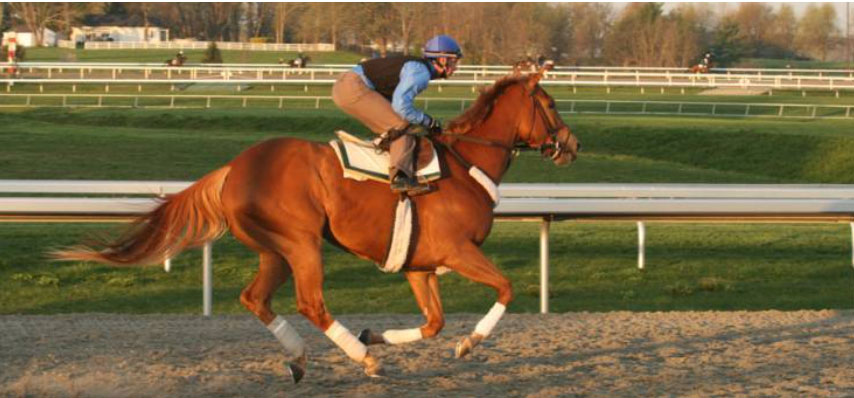
In addition to the host of intangibles involved in training horses, adding science to the mix may help improve a racehorse’s chance of success. According to a group of European researchers, measuring stride length and frequency—how far horses stretch their limbs and how fast they move their legs—during training could assist in race length selection.*
To explore whether stride characteristics could help classify racehorses as sprinters or stayers, a wearable smart device was commissioned. The device recorded peak stride length and frequency as well as speed in a large cohort of racehorses during training sessions.
“In those race-speed training sessions, locomotory differences were detected, with sprinters having shorter strides of higher frequency than stayers,” explained Catherine Whitehouse, M.S., of Kentucky Equine Research.
In addition, peak stride length was found to be moderately heritable after reviewing three generations of pedigrees from included horses.
“A better understanding of individual stride characteristics could help racehorse professionals select suitable race distances, while also taking into account their own experience at placing racehorses in suitable meetings alongside other historical aspects of how racehorse conformation and pedigree information can influence such decisions,” according to the research team.
“In other words, not only will identifying whether a horse is more suited to shorter or longer races improve their chances of winning but also allow trainers to develop more specific training sessions,” Whitehouse noted. “Targeted training that considers speed, stride frequency and length, and biomarkers of fatigue may, in turn, promote longer careers and improve welfare on the track.”
Regardless of a Thoroughbred’s individual stride characteristics, all racehorses must withstand joint concussion during training and racing.
“Offer Synovate HA to keep those joints lubricated for friction-free movement and to maintain a healthy balance between cartilage growth and breakdown,” advised Whitehouse.
Synovate HA is a high molecular weight hyaluronic acid supplement that provides 100 mg per serving for targeted support to high-motion joints.
“A Kentucky Equine Research study showed horses supplemented with Synovate HA maintained their stride length during a high-speed treadmill training program compared to the control group,” she added.
*Schrurs, C., S. Blott, G. Dubois, E. Van Erck-Westergren, and D.S. Gardner. 2022. Locomotory profiles in Thoroughbreds: peak stride length and frequency in training and association with race outcomes. Animals (Basel) 12(23):3269.
Reprinted courtesy of Kentucky Equine Research. Kentucky Equine Research is an international equine nutrition, research, and consultation company serving horse owners and the feed industry. Our goals are to advance the industry's knowledge of equine nutrition and exercise physiology, apply that knowledge to produce healthier, more athletic horses, and support the nutritional care of all horses throughout their lives. Learn more at Kentucky Equine Research.
There a more informative articles in our section on Health & Education. While you're here be sure to visit our Curated Amazon Store.
by Kristin Pitzer
In human athletics, proper joint care is an important part of staying healthy and competitive. Those that play sports know that a severe injury to a joint increases the likelihood of osteoarthritis, which can be career-ending. Conversely, protecting and taking care of joints can keep one on the court or in the field for a longer time.
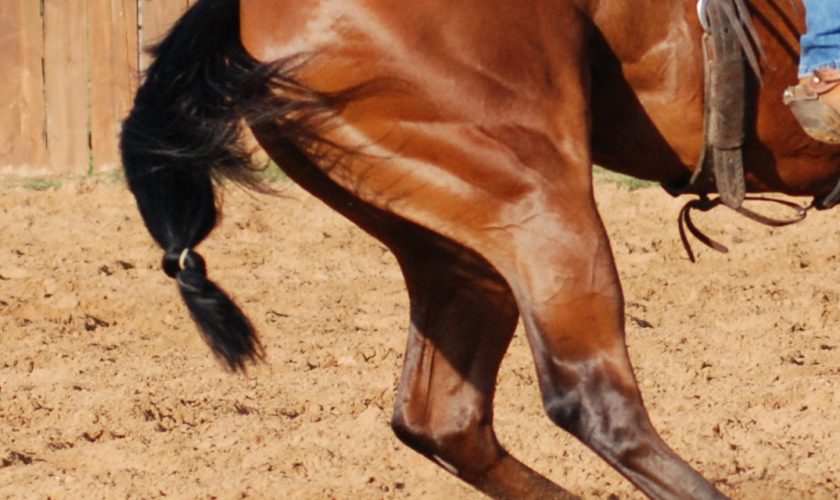
The same is true in performance horses. Healthy joints reduce risk for damage when a horse stops hard, spins fast or turns sharply. Plus, as horses age, a good foundation in joint care can help protect them from future injuries and pain.
Quarter Horse News spoke with Dr. Gabrielle Solum, Equine Sports Medicine and Rehabilitation Resident at Colorado State University Veterinary Teaching Hospital, to get the lowdown on joint care for performance horses.
Start at the Beginning
While some might believe only those with horses in high-intensity training programs need to worry about joint health, it is something every horse owner should think about, Solum noted. Joint care involves a variety of elements, and while the horse’s training program is one of them, it also includes the horse’s conformation, diet and health history.
These factors are important from the very beginning. In fact, those raising young horses should consider having a veterinarian examine their stock before they reach adulthood.
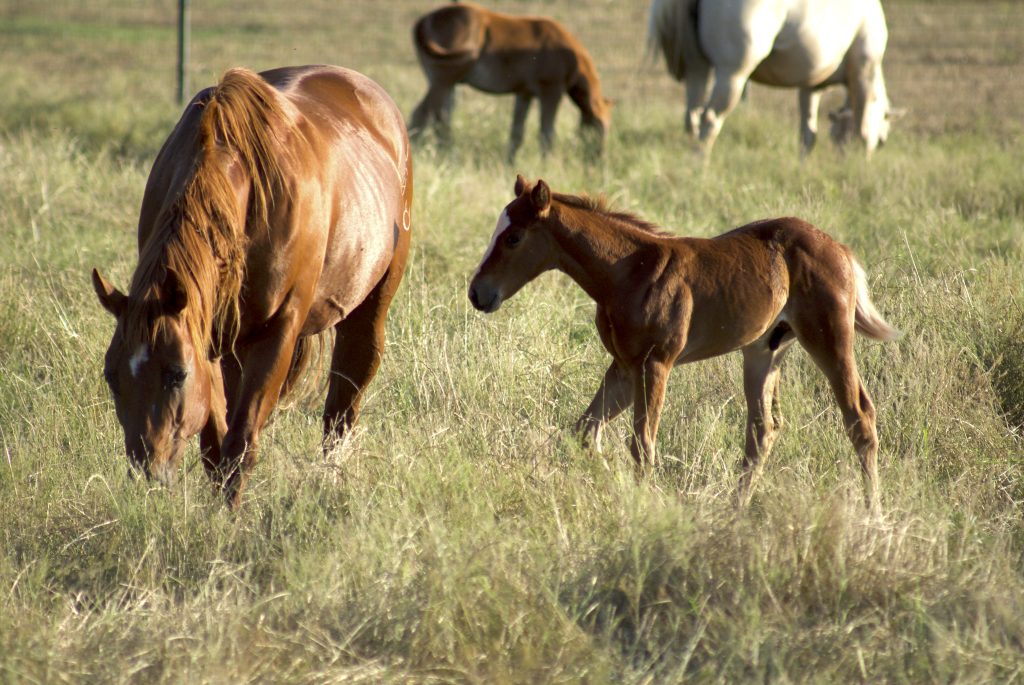
“There are a lot of horses that we see for lameness that have conformational abnormalities predisposing them to lameness, which may have been helped as foals,” Solum said. “These abnormalities as foals include tendon contracture or laxity, varas and valgus conformation, and club feet.”
Solum recommended radiographing young horses before they enter training to identify any abnormalities, like osteochondritis dissecans (OCD) lesions or cysts, that can be helped with surgery. From there, routine veterinary exams can help identify any lamenesses early in the horse’s career.
Lighter Is Better
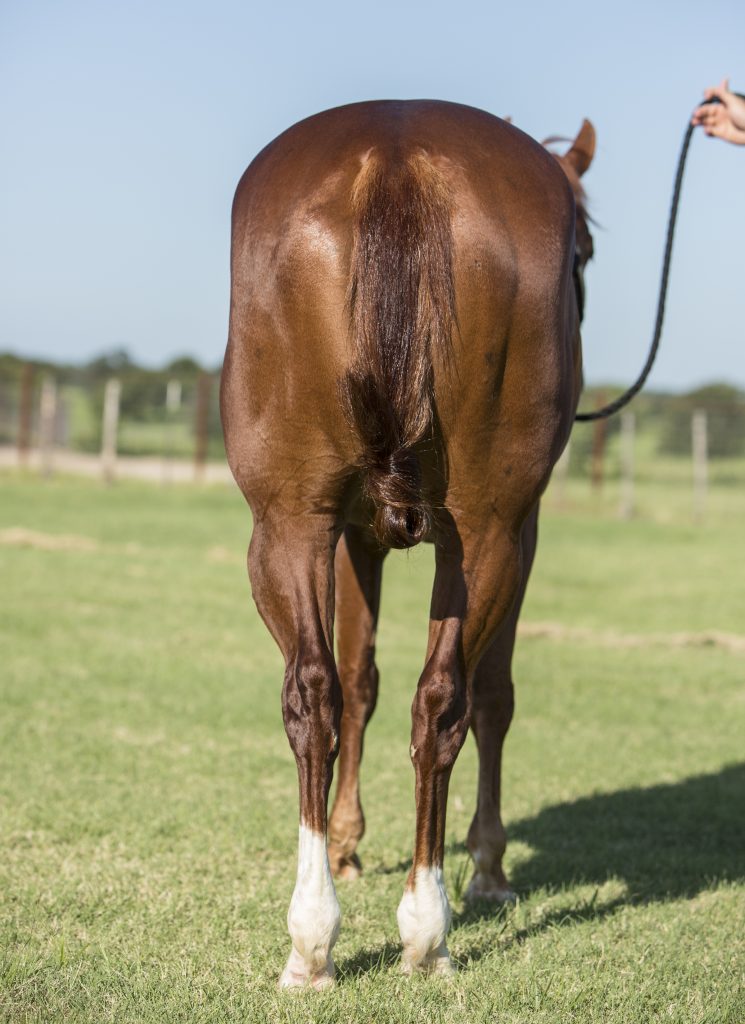
Many of today’s performance horses tend to be heavier weight-wise than recommended. This is because “fleshier” horses appeal to the eye more, Solum said. But putting heavy horses into intense training programs increases the risk of damage to their joints, along with other health concerns.
* QHN File Photo
“Overfeeding [as foals] has been associated with development of physitis [inflammation of a growth plate] and OCDs,” Solum said. “Horses can be appropriately fed and maintain good nutrition without being overweight. As the horses enter training, overfeeding and obesity predisposes them to metabolic conditions.”
“Good nutrition is important so these horses have proper nutrition while they are not only maturing and growing, but also as they also enter their training program,” she added. “Typically, in Western performance horses, the majority of money-earning potential and athletic performance is completed while they are still skeletally immature. This, however, may not be the only cause of joint disease and lameness.”
A physically fit horse in “thoughtful” training may be able to extend its performance career, Solum said, noting a study in racehorses that found that the more starts a horse had as a 2-year-old, the longer its career tended to be. Therefore, she recommended more gradual increases in workload, rather than sudden, big changes, in addition to maintaining a horse at an optimal weight.
Take Care With Supplements
If you utilize a good diet, an appropriate training program and keep your horse at the proper weight, you can give it a good start on staying fit and healthy throughout its career. Supplementation with a joint care product might also give you a leg up, but if you choose to feed one, make sure to take a look at the ingredient list first.
“The use of supplements for joint health has been studied, but the results have been inconsistent and inconclusive for both symptom-modifying and disease-modifying effects,” Solum said. “If you are going to use a supplement, you should look for glucosamine, chondroitin sulfate, methylsulfonylmethane [MSM] and omega-3 fatty acids.”
Glucosamine and chondroitin sulfate are components of normal cartilage and appear to stimulate the production of more cartilage. Omega-3s fight inflammation, and higher levels in the synovial fluid, which lubricates joints, are associated with decreased joint pain. MSM is also an anti-inflammatory and supports the body’s ability to repair connective tissue.
Don’t Skimp on the Veterinary Exams
Regular veterinarian visits are important because if caught early, some things, like early joint disease, can be treated via therapeutic injections before they become a bigger problem.
“While excessive intra-articular steroids are not recommended at any age, leaving joints in an inflammatory state at any age can ultimately lead to joint degradation,” Solum said. “Utilizing low dose, thoughtful corticosteroid treatments or orthobiologics can help to protect the joint and also help the horse as training increases with preparation for the futurity and derby years.”
Other therapeutics, like polysulfated glycosaminoglycan and hyaluronic acid, can help modify symptoms as well. Should a horse develop a lameness or injury, professional rehabilitation, under veterinary supervision, could be necessary to help it regain core strength and return to training.
Continue Support Into Senior Years
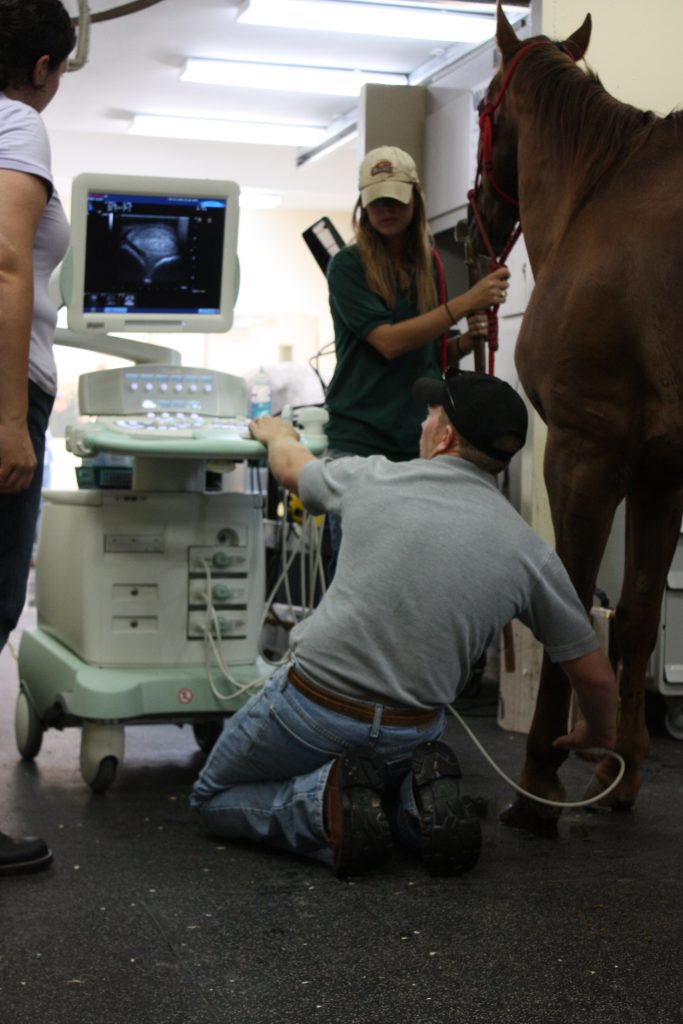
is completing an ultrasound on a horse’s front leg.
* QHN File Photo
Joint care doesn’t stop with the end of a horse’s limited-age years. As your horse ages, it will become even more important to maintain him or her at a healthy weight and monitor for systemic changes. But even if your horse loses some of its mobility and can’t compete at the highest levels anymore, that doesn’t mean its riding career has to completely end.
“Working closely with your veterinarian can help identify when therapeutic injections would be indicated as horses age,” Solum said. “Furthermore, keeping in mind past injuries or specific sites of joint disease are important so that proper care can be taken, or the use of NSAIDs might be indicated. It is also possible that if joint disease has developed, a lower level of athleticism or change in sport might help to maintain soundness and longevity.”
This article originally appeared on American Quarter Horse News and is published here with permission.
You can find resources for horse transportation in our section on Shipping.There are more informative and entertaining articles in our section on Health & Education. While you're here be sure to check out our Curated Amazon Store.
- The Efficacy of Sponge Baths and Hosing on Exercise Recovery in Thoroughbred Horses
- Smarter Grazing: How Satellite Technology Supports Sustainable Horse Pasture Management
- Managing Energy and Motivation While Caring for Your Horses
- Five Tips for Hiring a Horse Shipper
- Tall Fescue Toxicity in Mares
- Healthy Joints for Years of Happy Trails
- $20,000 in student scholarships offered by Purina Animal Nutrition
- Saddle Fit Differences Between Men and Women
- Use of Standardized Exercise Tests in Equine Research
- Helping all horses live healthier lives
- 5 Tips For Keeping Aged Horses Fit To Compete
- Fruits are Fabulous, even for Insulin Resistant Horses!
- 12 Tips for Being a Good Member of Your Boarding Barn
- $10,000 Equestrian Merit Scholarship
- Non-GMO is NOT Necessarily Safe
- Consider Beet Pulp Instead of Oats
- Five Tips About Dummy Foals
- The Role of Nutrition in Managing Muscle Disorders
- Secrets of Successful Riding Instructors
- Horse Veterinarians in Alabama